
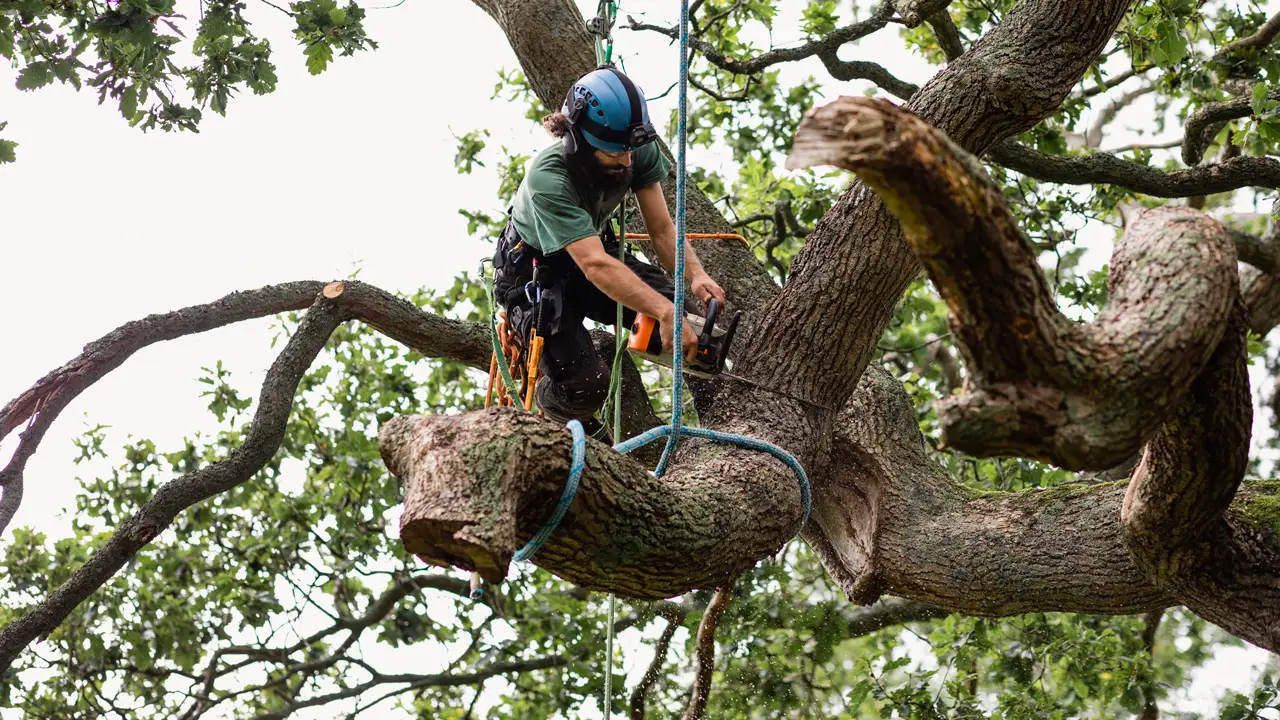
Trees are among the most valuable natural assets on any property. They provide shade, improve air quality, enhance curb appeal, and contribute to overall environmental balance. However, maintaining trees requires expertise, proper equipment, and ongoing care. Professional Tree Services play a crucial role in preserving the health, safety, and beauty of residential and commercial landscapes.
Many property owners underestimate the complexity involved in proper tree maintenance. While trimming a few low branches may seem simple, comprehensive tree care involves scientific knowledge, risk assessment, and strategic planning. From pruning and removal to disease management and storm damage cleanup, expert care ensures trees remain an asset rather than a liability.
Understanding the importance of professional tree maintenance helps homeowners and property managers protect their investments while promoting long-term landscape health.
Why Professional Tree Care Matters
Trees are living organisms that require consistent monitoring and maintenance. Without proper care, they can become overgrown, diseased, structurally unstable, or hazardous. Dead or weakened branches may fall unexpectedly, posing risks to people, vehicles, and structures.
Professional Tree Services address these risks proactively. Certified arborists and trained technicians evaluate tree health, identify structural weaknesses, and recommend appropriate treatments. This preventative approach reduces the likelihood of emergency situations while extending the lifespan of valuable trees.
Beyond safety, proper tree care improves aesthetics. Well-maintained trees enhance property value and create a welcoming environment. Strategic pruning encourages balanced growth and maintains a polished appearance.
Common Types of Tree Services
Professional providers offer a wide range of solutions tailored to different needs. Understanding these services helps property owners choose the right approach for their landscape.
Tree Pruning and Trimming
Pruning involves selectively removing branches to improve structure, health, and appearance. Proper trimming eliminates dead or diseased limbs, reduces overcrowding, and enhances sunlight penetration.
Strategic pruning promotes strong growth patterns and reduces the risk of branch failure. Timing is critical, as different tree species require pruning during specific seasons to avoid stress or disease exposure.
Tree Removal
Sometimes, removal becomes necessary due to disease, structural instability, or property development needs. Dead or severely damaged trees can pose significant hazards.
Professional removal ensures safe and controlled dismantling, especially when trees are located near buildings or power lines. Advanced equipment and safety protocols minimize risks during the process.
Stump Grinding and Removal
After a tree is removed, the remaining stump can be unsightly and inconvenient. Stump grinding eliminates the visible portion below ground level, allowing for landscaping improvements or replanting.
Removing stumps also prevents pest infestations and reduces tripping hazards.
Emergency Storm Damage Cleanup
Severe weather can cause trees to fall or lose large branches. Prompt response is essential to clear debris and prevent further damage.
Emergency services prioritize safety while restoring property accessibility. Professionals assess structural stability before removing damaged sections.
Tree Health Assessments and Disease Treatment
Trees are susceptible to pests, fungal infections, and environmental stress. Early detection is key to effective treatment.
Arborists evaluate symptoms such as leaf discoloration, bark damage, and unusual growth patterns. Treatment plans may include pruning, soil amendments, or targeted applications to address specific issues.
The Importance of Regular Tree Inspections
Routine inspections are fundamental to preventative care. Identifying problems early reduces the need for costly interventions later.
During an inspection, professionals examine:
- Structural integrity
- Root stability
- Signs of decay or disease
- Branch distribution and weight balance
- Soil conditions
These evaluations guide maintenance decisions and ensure trees remain healthy and secure.
Property owners benefit from annual inspections, particularly in areas prone to storms or heavy winds.
Safety Considerations in Tree Maintenance
Tree work involves inherent risks, especially when dealing with tall structures or heavy limbs. Attempting major trimming or removal without proper equipment can lead to serious injuries or property damage.
Professional Tree Services prioritize safety by using specialized tools such as harnesses, cranes, chainsaws, and rigging systems. Technicians undergo training to handle complex situations, including working near electrical lines or confined spaces.
Insurance coverage further protects property owners in case of unforeseen incidents. Hiring experienced professionals reduces liability and ensures compliance with safety standards.
Enhancing Property Value Through Tree Care
Healthy trees significantly boost property value. Landscaped homes with mature, well-maintained trees often attract higher market interest.
Strategic pruning enhances curb appeal, while disease management preserves long-term beauty. Removing hazardous or unsightly trees improves overall presentation.
Investing in professional maintenance demonstrates responsible ownership and contributes to positive first impressions.
Environmental Benefits of Professional Tree Management
Trees contribute to cleaner air by absorbing carbon dioxide and releasing oxygen. They also reduce urban heat effects, provide wildlife habitats, and prevent soil erosion.
Proper maintenance ensures trees continue delivering these ecological benefits. Removing invasive species protects native plant populations and supports biodiversity.
Sustainable practices, such as recycling wood debris into mulch, further enhance environmental responsibility. Many service providers implement eco-conscious methods to minimize waste.
Choosing the Right Tree Service Provider
Selecting a qualified company is essential for achieving optimal results. Property owners should verify credentials, certifications, and insurance coverage before hiring a provider.
Look for companies that employ certified arborists with formal training in tree biology and safety procedures. Experience handling various tree species and property layouts is also important.
Reading customer reviews and requesting references provides insight into reliability and professionalism. Transparent communication about pricing, timelines, and service scope builds trust and ensures clarity.
A reputable provider will conduct a thorough evaluation before recommending services, tailoring solutions to the specific needs of the property.
Preventative Maintenance Strategies
Proactive care prevents many common tree-related issues. Homeowners can take simple steps to support tree health between professional visits:
- Water trees adequately during dry periods
- Apply mulch around the base to retain moisture
- Avoid damaging roots during landscaping projects
- Monitor for visible signs of pests or disease
- Keep surrounding soil free from compaction
While these measures help, professional guidance ensures comprehensive care.
The Role of Seasonal Maintenance
Tree needs vary throughout the year. Seasonal maintenance aligns care with natural growth cycles.
Spring inspections identify winter damage and prepare trees for new growth. Summer monitoring ensures adequate hydration and pest control. Fall pruning removes weak branches before storms, and winter assessments focus on structural stability.
Scheduling maintenance according to seasonal patterns supports long-term health and resilience.
Technology and Modern Equipment in Tree Services
Advancements in equipment have significantly improved efficiency and safety. Modern tools allow precise cutting, controlled lowering of heavy branches, and safer removal of large trees.
Aerial lifts, specialized climbing gear, and high-powered stump grinders streamline operations. Diagnostic tools help arborists detect internal decay without invasive procedures.
Technology enhances accuracy while reducing environmental impact and project timelines.
When to Consider Tree Removal
While preservation is often the goal, removal may be necessary in certain situations:
- Extensive decay or structural failure
- Severe pest infestation
- Interference with construction projects
- Root damage affecting foundations
- Overcrowding that limits healthy growth
Professional evaluation ensures removal decisions are based on safety and long-term landscape health.
Long-Term Landscape Planning
Tree care should align with broader landscaping goals. Strategic planting and maintenance create balanced ecosystems that enhance both beauty and functionality.
Professionals can recommend suitable species based on soil conditions, climate, and available space. Proper spacing prevents overcrowding and future complications.
Long-term planning reduces maintenance costs and supports sustainable growth patterns.
The Financial Value of Preventative Tree Care
Preventative maintenance is far more cost-effective than emergency intervention. Addressing minor issues early avoids expensive removals or structural repairs.
Routine tree services protect investments by maintaining structural integrity and reducing liability risks. Healthy trees require less corrective action over time.
Budgeting for annual inspections and maintenance ensures consistent care and predictable expenses.
Conclusion
Trees are living assets that enhance property value, environmental health, and overall aesthetic appeal. However, they require professional attention to remain safe and thriving. From pruning and disease management to removal and emergency response, comprehensive care supports long-term landscape stability.
Professional Tree Services combine expertise, equipment, and preventative strategies to maintain tree health while minimizing risks. Investing in routine inspections and maintenance ensures trees continue providing shade, beauty, and ecological benefits for years to come.
By partnering with experienced professionals and adopting proactive care practices, property owners can preserve the strength and elegance of their landscapes while protecting both people and property.
