
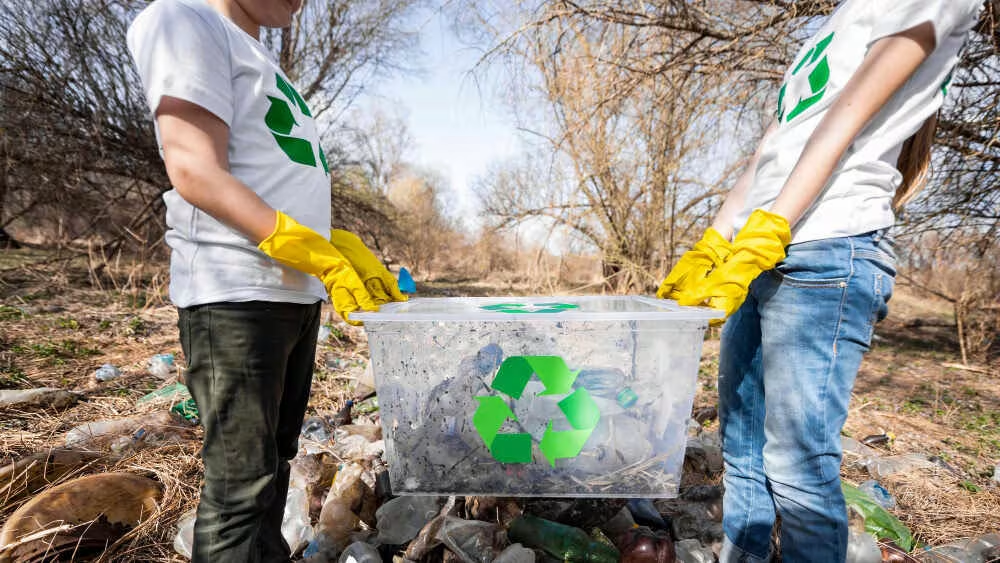
Managing waste effectively has become an essential responsibility for homeowners, businesses, and property managers who seek to maintain clean, safe, and organized spaces while also protecting the environment. In a world where consumption continues to rise and storage space often becomes limited, junk removal provides a structured and responsible solution for handling unwanted materials. From old furniture and broken appliances to construction debris and accumulated clutter, junk removal services help transform overcrowded areas into functional, appealing environments. Understanding how junk removal works, why it is important, and how sustainable practices enhance its effectiveness allows individuals and organizations to make informed decisions about waste management.
Understanding the Importance of Junk Removal
Junk removal is more than simply hauling away unwanted items; it is a systematic process that involves collection, sorting, transportation, recycling, donation, and responsible disposal. Unlike regular trash collection, which typically handles small household waste on a scheduled basis, junk removal focuses on bulky, heavy, or specialized items that require extra care and equipment. This distinction makes junk removal a crucial service during renovations, relocations, seasonal cleanouts, estate management, and commercial upgrades.
Accumulated clutter can negatively impact both physical and mental well-being. Piles of unused belongings may create tripping hazards, attract pests, and contribute to poor indoor air quality due to dust and mold buildup. Furthermore, disorganized environments can increase stress levels, reduce productivity, and make daily tasks more difficult to complete. By investing in professional junk removal, individuals and businesses can reclaim valuable space while promoting a healthier and more structured environment.
Types of Materials Handled in Junk Removal
The scope of junk removal services is broad and adaptable to various needs. Residential clients often require assistance with furniture disposal, mattress removal, outdated electronics, yard debris, and general household clutter that accumulates over time. Renovation projects generate construction waste such as drywall, wood scraps, tiles, and metal, all of which require proper handling to ensure compliance with waste management regulations.
Commercial properties frequently need junk removal services for clearing office furniture, obsolete equipment, shelving systems, and excess inventory. Retail establishments and warehouses may accumulate large volumes of packaging materials and outdated stock that must be removed efficiently to maintain operational flow. Industrial facilities may require specialized removal services for heavy machinery, scrap metal, and bulk debris.
Electronic waste represents a particularly sensitive category within junk removal because it contains hazardous components such as lead, mercury, and other toxic substances. Appliances with refrigerants or chemical components must also be processed carefully to prevent environmental contamination. Professional junk removal providers are equipped with the knowledge and resources to handle these materials responsibly, ensuring compliance with environmental standards and safety regulations.
The Process Behind Professional Junk Removal
Professional junk removal follows a structured approach designed to maximize efficiency and sustainability. The process typically begins with an assessment of the materials to be removed, including an evaluation of volume, weight, and type of waste. This initial step ensures that the appropriate equipment and transportation methods are selected.
Once the assessment is complete, trained teams handle the physical removal of items. This includes lifting, loading, and transporting materials to designated facilities. Specialized vehicles are often used to accommodate large or heavy objects, minimizing the risk of property damage and personal injury. By entrusting the task to professionals, clients avoid the physical strain and logistical challenges associated with self-managed waste disposal.
After collection, the sorting phase plays a critical role in sustainable junk removal practices. Recyclable materials such as metal, paper, cardboard, and certain plastics are separated and directed to recycling centers. Items that remain in good condition, including furniture, clothing, and household goods, may be donated to charitable organizations, extending their lifecycle and reducing landfill waste. Only materials that cannot be reused or recycled are sent to disposal facilities, reflecting a commitment to environmental responsibility.
Environmental Benefits of Sustainable Junk Removal
Sustainability has become a defining factor in modern junk removal practices. Landfills are increasingly burdened by excessive waste, leading to environmental challenges such as soil contamination, water pollution, and greenhouse gas emissions. By prioritizing recycling and donation, junk removal services help reduce the volume of waste entering landfills and conserve natural resources.
Recycling materials conserves energy and reduces the need for raw material extraction, which in turn minimizes environmental degradation. Donating usable items supports communities and individuals in need while promoting social responsibility. Sustainable junk removal practices demonstrate how waste management can align with environmental stewardship and corporate responsibility initiatives.
Proper disposal of hazardous materials further enhances environmental protection. Batteries, electronics, chemicals, and appliances require careful processing to prevent toxic substances from entering ecosystems. Responsible junk removal ensures that such materials are handled according to established guidelines, reducing risks to both public health and the environment.
Advantages of Hiring Professional Junk Removal Services
While some individuals attempt to handle clutter independently, professional junk removal offers numerous advantages that make it a practical and efficient choice. Convenience is one of the most significant benefits, as professionals manage every aspect of the process, from lifting and loading to transportation and disposal. This saves clients valuable time and energy.
Safety is another key consideration. Moving heavy furniture or debris without proper training and equipment can result in injuries such as muscle strains, back pain, or accidents. Professional teams are trained to handle large and awkward items safely, minimizing the risk of harm.
Efficiency is enhanced through experience and organization. Professional junk removal services can complete projects quickly and systematically, even when dealing with large volumes of materials. For businesses, this efficiency translates into minimal disruption to operations and faster turnaround times during renovations or relocations.
Cost-effectiveness also becomes evident when considering potential expenses associated with equipment rental, transportation fees, and landfill charges. By consolidating these elements into a single service, junk removal providers offer a streamlined solution that can ultimately reduce overall costs.
Junk Removal for Residential and Commercial Applications
Residential junk removal focuses on helping homeowners declutter living spaces, garages, attics, basements, and outdoor areas. Removing unwanted items creates more functional spaces that are easier to maintain and more visually appealing. This is particularly beneficial during home renovations, seasonal cleaning, or property staging for sale.
Commercial junk removal plays an equally important role in maintaining organized and professional work environments. Clearing outdated office furniture, disposing of renovation debris, and managing excess inventory contribute to improved workflow and enhanced employee productivity. Clean and orderly spaces also create positive impressions for clients and customers, reinforcing a company’s commitment to professionalism and efficiency.
Property managers and real estate professionals rely heavily on junk removal services to prepare properties for occupancy or sale. Removing abandoned belongings and construction debris increases property value and accelerates the transition process between tenants or owners.
Creating a Long-Term Waste Management Strategy
While junk removal provides immediate relief from clutter, maintaining an organized environment requires consistent effort and mindful consumption habits. Establishing a long-term waste management strategy can prevent excessive accumulation and promote sustainable living. Regularly reviewing belongings, donating unused items, and recycling responsibly contribute to ongoing organization and environmental consciousness.
Businesses can implement waste reduction policies, recycling programs, and inventory management systems to minimize unnecessary waste generation. Scheduling periodic junk removal services ensures that clutter does not build up to overwhelming levels. These proactive measures support sustainability goals while preserving efficiency and order.
Conclusion
Junk removal is an essential service that supports cleanliness, safety, and environmental sustainability across residential and commercial settings. By combining efficient collection methods with responsible recycling and disposal practices, junk removal helps transform cluttered spaces into organized and functional environments. The benefits extend beyond aesthetics, encompassing improved mental well-being, enhanced productivity, and reduced environmental impact.
Choosing professional junk removal services ensures that waste is handled responsibly, safely, and in compliance with environmental standards. From household decluttering projects to large-scale commercial cleanouts, junk removal offers a comprehensive and sustainable solution for managing unwanted materials. By integrating innovative approaches and environmentally conscious practices, individuals and businesses can maintain cleaner spaces while contributing to a healthier and more sustainable future.
