
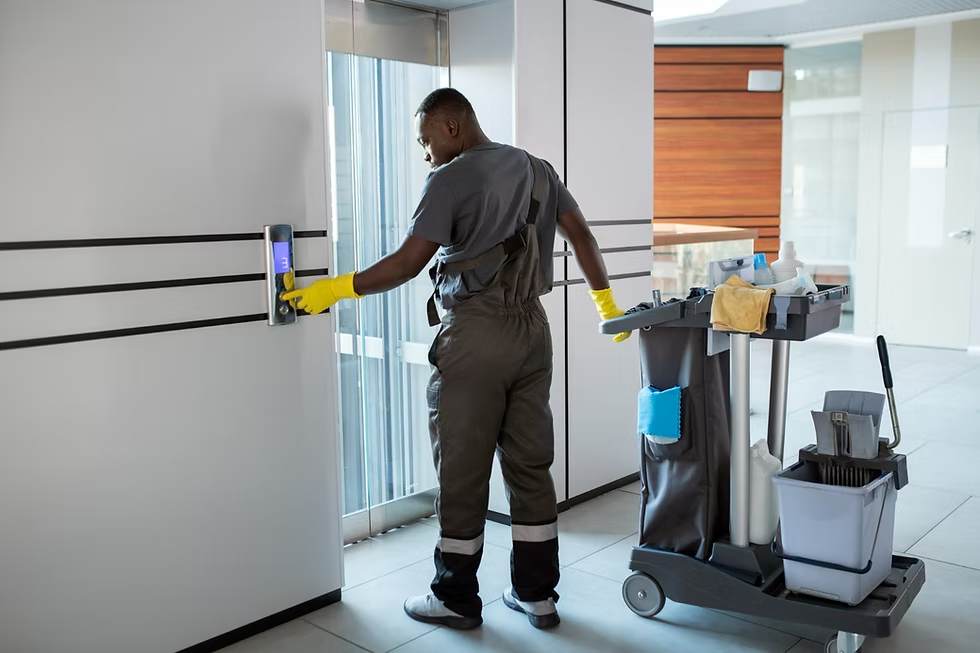
Maintaining a clean and well-organized commercial space is critical for businesses of all sizes, whether small offices, medium-sized retail establishments, or large industrial facilities. Commercial cleaning services provide the expertise, equipment, and processes necessary to ensure that workplaces are sanitary, safe, and visually appealing. Clean environments not only improve employee health, productivity, and morale but also create positive impressions on clients, visitors, and stakeholders. Investing in professional cleaning services ensures that businesses maintain high standards of hygiene, comply with health and safety regulations, and preserve the condition of flooring, furniture, and equipment over time. Understanding the scope, benefits, and best practices of commercial cleaning enables businesses to make informed decisions that enhance operational efficiency and long-term success.
The Importance of Commercial Cleaning
Commercial cleaning extends beyond aesthetic appeal; it plays a vital role in maintaining workplace health, safety, and efficiency. Dust, dirt, and allergens accumulate rapidly in high-traffic areas, which can lead to respiratory problems, allergies, and general discomfort among employees. High-touch surfaces, such as door handles, desks, phones, and shared equipment, can harbor bacteria and viruses, making regular sanitation essential for preventing illness. Additionally, clean and organized workspaces positively impact employee morale, productivity, and overall satisfaction. A well-maintained business environment also signals professionalism and attention to detail to clients and visitors, reinforcing trust and confidence in the company’s operations. Furthermore, consistent cleaning practices protect physical assets, extending the lifespan of carpets, flooring, furniture, and machinery, reducing maintenance and replacement costs.
Types of Commercial Cleaning Services
Commercial cleaning services are tailored to the size and needs of businesses and may include routine cleaning, deep cleaning, specialty cleaning, and post-construction cleaning. Routine cleaning typically involves dusting, vacuuming, mopping, emptying trash, and disinfecting common areas, ensuring that daily operations continue in a clean and safe environment. Deep cleaning addresses areas that are harder to reach or are frequently overlooked, such as grout lines, upholstery, floors, and high-touch surfaces, providing a thorough and hygienic result that promotes health and longevity of the property. Specialty cleaning services, including window washing, floor stripping and waxing, pressure washing, and HVAC maintenance, are designed to meet specific business needs and are usually scheduled on a periodic or as-needed basis. Post-construction cleaning services are essential after renovations, ensuring that debris, dust, and residues are completely removed before reopening or occupancy.
Benefits of Hiring Professional Commercial Cleaning Services
Employing a professional commercial cleaning service offers significant advantages for businesses of all sizes. Professional teams deliver consistent and thorough cleaning that is difficult to achieve with in-house staff alone, using specialized tools, equipment, and cleaning agents designed for commercial environments. Time and efficiency are optimized, allowing businesses to focus on core operations while maintaining a clean and safe workspace. Professional services also provide flexibility and customization, enabling businesses to schedule daily, weekly, or monthly cleaning, as well as specialized or seasonal services according to operational needs. Adhering to health and safety regulations, trained cleaning professionals minimize risks of workplace accidents, hygiene violations, and exposure to harmful substances, ensuring both employee safety and compliance with industry standards.
Best Practices for Effective Commercial Cleaning
Effective commercial cleaning involves a systematic approach that maximizes hygiene and operational efficiency. Professional teams typically begin with a comprehensive assessment to determine areas of concern, cleaning frequency, and the scope of work. Standardized checklists and procedures ensure that no areas are overlooked, while high-quality cleaning products and equipment provide thorough sanitation without damaging surfaces or furnishings. Regular inspections and feedback loops allow businesses to monitor quality and make adjustments as needed, maintaining consistent cleanliness and safety standards. Eco-friendly cleaning practices, such as biodegradable cleaners and non-toxic disinfectants, are increasingly used to reduce environmental impact while maintaining superior hygiene. Consistency, attention to detail, and adherence to safety protocols are the pillars of successful commercial cleaning programs.
Tailoring Services for Different Business Sizes
The requirements for commercial cleaning vary depending on business size. Small businesses may require daily or weekly routine cleaning to maintain a presentable and hygienic office, focusing on high-touch surfaces, common areas, and workstations. Medium-sized businesses often need more extensive cleaning, including deep cleaning, specialty services, and regular inspections to accommodate higher foot traffic and multiple departments. Large businesses and industrial facilities demand comprehensive solutions, including floor maintenance, window cleaning, equipment sanitization, and large-scale debris removal, often requiring specialized equipment and trained teams. Tailoring cleaning services according to business size ensures that every property receives the attention it requires without overextending resources or compromising standards.
Cost Considerations and Service Packages
The cost of commercial cleaning services depends on factors such as the size of the facility, frequency of service, type of cleaning required, and the complexity of the workspace. Many companies offer customizable packages based on square footage, specific cleaning tasks, or hourly rates, allowing businesses to select services that align with their budget and operational needs. Long-term service contracts often provide better value, ensuring consistent maintenance, predictable costs, and reliable scheduling. Transparent pricing and clearly outlined service agreements help businesses plan and avoid unexpected expenses, making professional cleaning a practical and cost-effective investment.
Long-Term Benefits of Professional Commercial Cleaning
Consistent professional cleaning delivers long-term benefits that go beyond immediate cleanliness. Regular maintenance preserves the condition of flooring, furniture, and equipment, reducing wear and tear and delaying replacement costs. A clean, organized environment enhances employee productivity and morale, creating a comfortable and efficient workspace. Clean facilities also strengthen client perceptions and business reputation, encouraging repeat visits, partnerships, and positive reviews. By investing in professional commercial cleaning, businesses protect their physical assets, support employee well-being, and reinforce operational excellence, establishing a foundation for long-term success.
Conclusion
Commercial cleaning services are an essential component of modern business operations, whether for small offices, medium-sized retail spaces, or large industrial facilities. Professional cleaning ensures that workplaces remain safe, sanitary, and visually appealing while protecting physical assets and promoting employee health and productivity. By tailoring services to the size and needs of the business, implementing best practices, and maintaining consistent standards, commercial cleaning providers enable businesses to operate efficiently and project a professional image. Investing in expert cleaning services is not only a practical decision but also a strategic one, supporting long-term operational success, client satisfaction, and workplace well-being. A clean, organized, and hygienic environment is a reflection of professionalism and care, making commercial cleaning indispensable for businesses that seek to excel in competitive markets.
