
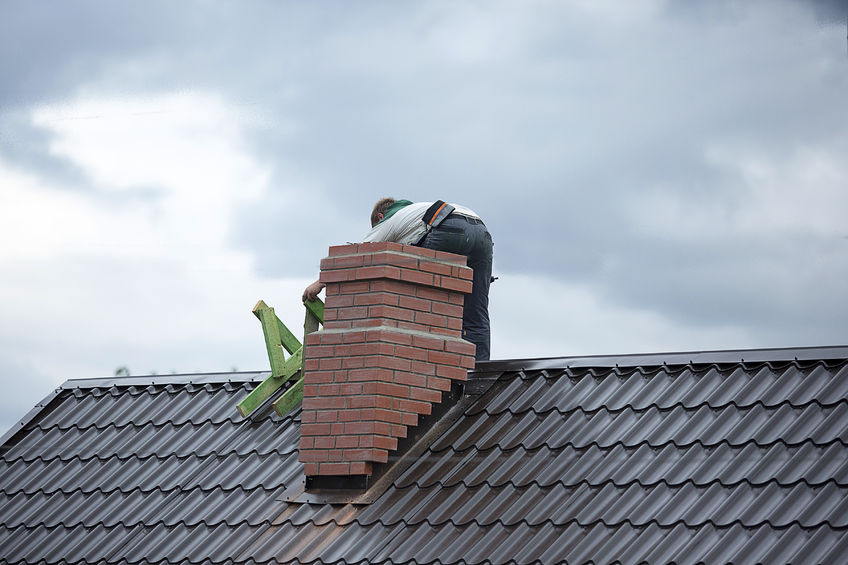
A chimney is a crucial structural element in any home that relies on fireplaces or heating systems, serving both functional and aesthetic purposes. Over time, exposure to harsh weather conditions, fluctuating temperatures, and natural wear can cause the mortar between bricks to deteriorate, compromising the chimney’s stability and safety. Chimney repointing, also known as tuckpointing, is the process of removing damaged or weakened mortar and replacing it with fresh, durable material. This procedure not only restores structural integrity but also prevents water damage, enhances safety, improves the overall appearance of the chimney, and extends its lifespan. Understanding the importance of chimney repointing, recognizing the signs that it is necessary, and knowing the process involved are essential for homeowners who want to protect their investment and maintain a safe, functional home.
Why Chimney Repointing Is Essential
Mortar plays a vital role in holding bricks together and preventing water and moisture from seeping into the chimney structure. Over time, mortar joints can crack, crumble, or erode due to continuous exposure to rain, snow, wind, and temperature fluctuations. When mortar deteriorates, gaps are created that allow water to penetrate, which can lead to brick spalling, interior leaks, and even structural instability. Water intrusion can also result in rusting of metal components, rotting of nearby wood, and the growth of mold or mildew inside the home. Regular chimney repointing addresses these issues, ensuring that the chimney remains strong, safe, and capable of proper operation. Additionally, a well-maintained chimney improves energy efficiency by maintaining proper airflow and draft, which is critical for the effective operation of fireplaces and heating systems. Repointing also prevents loose bricks from falling, reducing the risk of property damage or injury, and maintaining the overall safety of the home.
Signs That Repointing Is Needed
Homeowners should be aware of the warning signs that indicate a chimney requires repointing. Cracked, crumbling, or missing mortar between bricks is the most obvious indication. Water stains on interior walls or ceilings near the chimney, loose or shifting bricks, and efflorescence, which appears as a white powdery residue on brick surfaces, are all signs that moisture has infiltrated the structure. Visible gaps or holes in mortar joints further indicate that the integrity of the chimney is compromised. Ignoring these signs can result in escalating damage, costly repairs, and serious safety hazards. Timely repointing ensures that the chimney remains structurally sound, water-resistant, and safe for use.
The Chimney Repointing Process
Chimney repointing is a precise and methodical process that requires attention to detail and professional expertise. The first step involves a thorough inspection to identify areas of deteriorated mortar, loose bricks, and any underlying structural issues. After the inspection, the chimney surface is cleaned to remove dust, debris, and loose material, which is essential for proper adhesion of the new mortar. Damaged mortar is carefully removed using specialized tools to prevent any harm to surrounding bricks. A new mortar mix is then prepared to match the original in color, texture, and composition, ensuring both structural compatibility and visual consistency. The fresh mortar is applied into the joints and packed firmly to secure the bricks, followed by smoothing and shaping the joints to create a clean, professional finish. Finally, the mortar is allowed to cure properly, resulting in a durable, weather-resistant seal that strengthens the chimney and protects it from future damage. This process requires professional skill because improper application can lead to premature failure, water intrusion, or further structural damage.
Benefits of Professional Chimney Repointing
Hiring experts for chimney repointing provides multiple long-term benefits. Properly repointed mortar reinforces the chimney structure, preventing brick displacement and collapse while maintaining the aesthetic appeal of the home. Effective sealing prevents water infiltration, reducing the risk of mold growth, rot, and interior water damage. Professionally executed repointing ensures that mortar matches the original brickwork, enhancing the overall appearance and curb appeal of the property. Additionally, timely repointing minimizes the need for costly repairs or full chimney reconstruction in the future. Ensuring that bricks are secure and mortar is intact significantly reduces the risk of falling debris, creating a safer environment for residents and visitors. Professional contractors also use high-quality materials and proven techniques that maximize durability and provide long-term protection against weathering, moisture, and natural wear.
Maintenance Tips After Repointing
Even after professional repointing, ongoing maintenance is essential to protect the chimney and preserve its functionality. Scheduling regular inspections helps detect early signs of wear, cracking, or water damage before they escalate. Keeping the chimney cap and flashing in good condition prevents moisture intrusion and protects the masonry from exposure to the elements. Regular cleaning of the chimney flue removes creosote buildup, which can pose fire hazards, and maintaining proper ventilation ensures efficient airflow. Additionally, trimming nearby trees and removing debris from the roof prevents leaves, branches, and other materials from accumulating around the chimney, reducing the risk of damage or blockage. Consistent maintenance ensures that the chimney remains structurally sound, efficient, and safe for use over the long term.
Conclusion
Chimney repointing is a critical maintenance task that protects the strength, safety, and longevity of a home’s chimney. By addressing deteriorated mortar, homeowners can prevent water damage, structural problems, and safety hazards while enhancing the overall appearance of the property. Professional chimney repointing restores structural integrity, improves efficiency, and provides long-term protection, making it a worthwhile investment for any homeowner. Regular inspections, proper maintenance, and timely repairs ensure that the chimney remains strong, safe, and functional, allowing homeowners to enjoy the full benefits of their fireplace or heating system. Investing in professional chimney repointing safeguards both property value and the safety of residents while ensuring that the home’s most visible and important exterior feature remains durable and visually appealing for years to come.
