
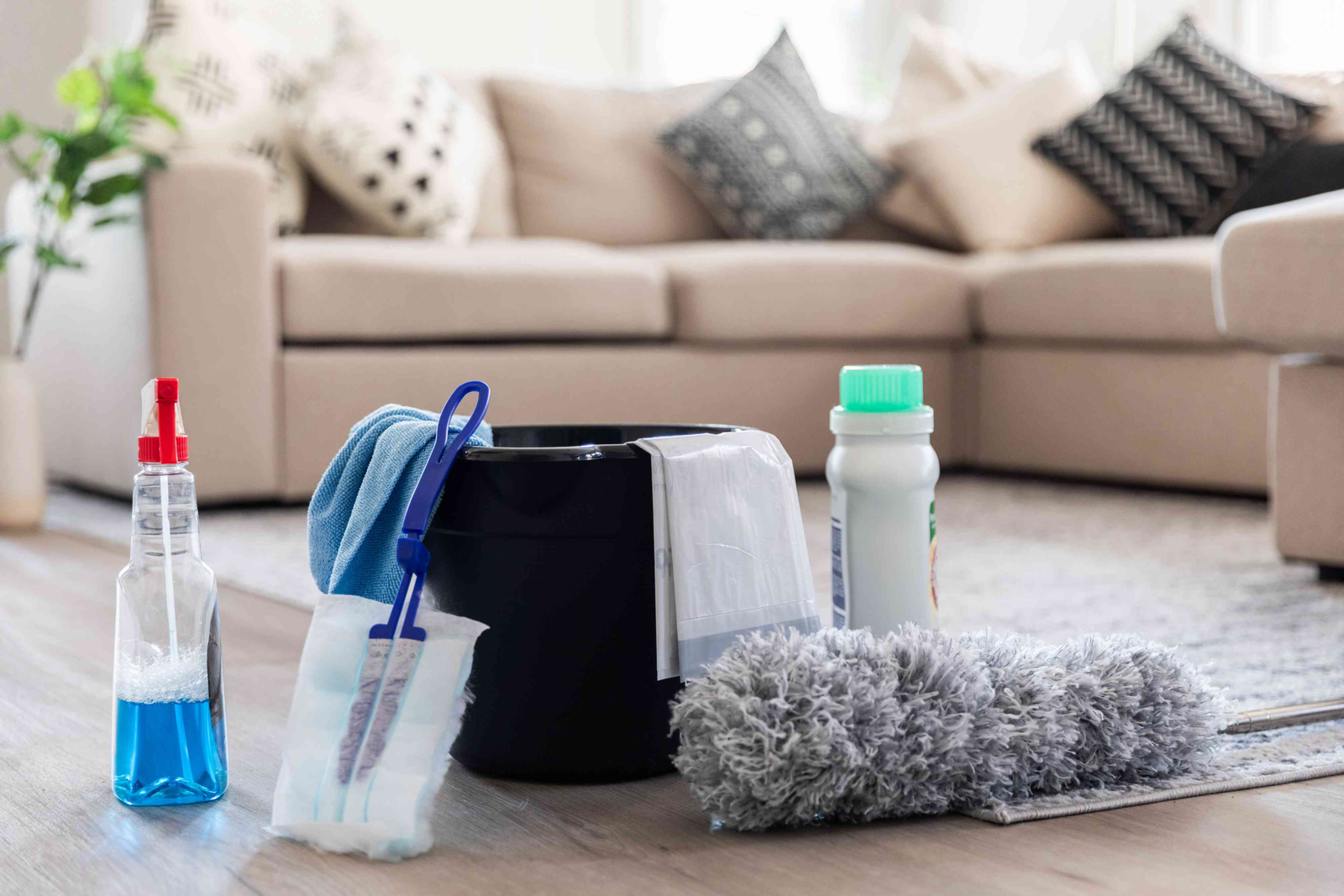
Maintaining a clean and healthy home requires more than regular dusting, vacuuming, or wiping surfaces. While everyday cleaning helps keep a space tidy, deep cleaning is essential for creating a truly healthier and fresher living environment. Deep cleaning targets areas that are often neglected during routine maintenance, removing accumulated dirt, dust, allergens, and bacteria that can affect the aesthetics, hygiene, and long-term comfort of a home. Understanding the techniques, benefits, and scope of deep cleaning allows homeowners to maintain spaces that are not only visually appealing but also safe, comfortable, and sustainable for long-term living.
What Is Deep Cleaning?
Deep cleaning is a comprehensive cleaning process that goes beyond surface-level maintenance. Unlike standard cleaning routines, which primarily focus on visible surfaces and high-traffic areas, deep cleaning addresses hard-to-reach spaces, overlooked corners, and accumulated grime. This includes cleaning behind and beneath furniture and appliances, scrubbing baseboards, sanitizing cabinets, and thoroughly cleaning vents and fixtures. Deep cleaning involves not only removing dirt but also disinfecting surfaces, eliminating allergens, and creating a hygienic environment that supports health and well-being. While routine cleaning is important for maintaining a presentable home, deep cleaning ensures that hidden dirt and harmful microorganisms are removed, reducing the risk of illness, allergens, and structural damage over time.
Key Areas Targeted During Deep Cleaning
Deep cleaning involves a systematic approach to ensure that every area of the home is addressed effectively. Key areas include floors and carpets, kitchens, bathrooms, windows, furniture, walls, ceilings, and air systems.
Floors and Carpets
Floors and carpets are often the most used surfaces in a home and tend to accumulate dirt, pet dander, and allergens. Deep cleaning of floors involves vacuuming thoroughly, mopping with appropriate cleaning solutions, and steam cleaning carpets to remove embedded particles. This process improves indoor air quality, reduces allergens, and extends the life of flooring materials by preventing dirt from causing wear and tear.
Kitchens and Food Preparation Areas
Kitchens require careful deep cleaning because they are prone to grease, food residue, and bacteria growth. Countertops, sinks, cabinets, and appliances should be thoroughly sanitized, and appliances such as ovens, microwaves, and refrigerators need detailed cleaning to remove hidden buildup. Regular deep cleaning of kitchens not only ensures hygiene but also prevents unpleasant odors and contamination risks, creating a safer environment for food preparation and consumption.
Bathrooms
Bathrooms are susceptible to moisture, which can result in mold, mildew, and bacteria growth if not properly cleaned. Deep cleaning involves scrubbing tiles, grout, sinks, toilets, bathtubs, and showers, as well as disinfecting fixtures and mirrors. Attention to ventilation systems, exhaust fans, and hidden areas reduces humidity-related problems and helps maintain a sanitary, fresh-smelling environment.
Windows, Blinds, and Draperies
Dust, pollen, and allergens accumulate on windows, blinds, and draperies over time. Deep cleaning these areas improves natural lighting, enhances air quality, and contributes to the overall aesthetic appeal of the home. Washing window panes, wiping frames and sills, and cleaning blinds or curtains removes layers of dust and dirt that regular cleaning often misses, providing a more comfortable and healthier living space.
Furniture and Upholstery
Soft furnishings such as sofas, chairs, mattresses, and cushions often trap dust, pet hair, and allergens. Deep cleaning involves vacuuming upholstery, spot-cleaning stains, and sometimes employing steam cleaning techniques. This not only maintains a clean appearance but also reduces allergens and bacteria, creating a healthier environment for occupants.
Walls, Baseboards, and Ceilings
Walls, ceilings, and baseboards accumulate dust, smudges, and cobwebs that are typically overlooked during routine cleaning. Deep cleaning involves wiping and scrubbing these surfaces, paying special attention to corners and areas near vents or light fixtures. Regular attention to these areas prevents dust buildup, improves indoor air quality, and enhances the overall visual appeal of the home.
Air Vents and HVAC Systems
Air vents and HVAC systems circulate air throughout the home and can carry dust, allergens, and bacteria if not properly maintained. Deep cleaning includes dusting vents, cleaning or replacing filters, and occasionally professional HVAC cleaning to improve air quality and system efficiency. Maintaining these systems reduces respiratory risks and ensures a fresher, healthier environment for all residents.
Benefits of Deep Cleaning
The advantages of deep cleaning extend beyond mere aesthetics, impacting health, property longevity, comfort, and overall quality of life.
Improved Health and Hygiene
Deep cleaning removes allergens, dust, bacteria, and mold, reducing the risk of respiratory issues, allergies, and infections. A thoroughly cleaned home provides a healthier environment, particularly for children, elderly family members, and individuals with sensitivities or pre-existing health conditions.
Enhanced Air Quality
By targeting hidden dust and debris, deep cleaning significantly improves indoor air quality. Clean carpets, upholstery, vents, and surfaces prevent pollutants from circulating, ensuring that the air inside the home remains fresh and breathable.
Protection and Longevity of Home Components
Regular deep cleaning protects floors, furniture, appliances, and fixtures from premature wear and damage caused by dirt, grime, and moisture. Removing contaminants from these surfaces extends their lifespan, reducing the need for repairs or replacements and saving homeowners money in the long term.
Increased Comfort and Aesthetic Appeal
A clean home feels more inviting, comfortable, and organized. Deep cleaning removes accumulated dirt and hidden debris, creating a space that is visually appealing and more pleasant to live in. Homeowners and visitors alike enjoy a sense of satisfaction and relaxation in a well-maintained environment.
Prevention of Mold, Mildew, and Pests
Moisture and dirt accumulation can lead to mold, mildew, and pest infestations. Deep cleaning, especially in areas such as bathrooms, kitchens, and basements, helps prevent these issues before they escalate, protecting both health and property value.
Tools and Techniques for Effective Deep Cleaning
Deep cleaning requires appropriate tools and techniques to ensure a comprehensive approach. Essential tools include high-quality HEPA-filter vacuum cleaners, steam cleaners for carpets and surfaces, microfiber cloths for dust and smudges, scrub brushes and sponges for tough grime, and eco-friendly cleaning products that are safe for both occupants and the environment. Professionals often employ specialized equipment and methods to reach difficult areas, providing more thorough results than typical household cleaning tools.
DIY Versus Professional Deep Cleaning
While homeowners can perform deep cleaning themselves, professional cleaning services often achieve more comprehensive results in less time. Professionals have access to industrial-grade equipment, specialized cleaning solutions, and the expertise to handle difficult areas and surfaces safely. For heavily soiled or large homes, hiring professional deep cleaning services ensures that every area is addressed efficiently, reduces physical strain on homeowners, and provides consistent results.
Frequency of Deep Cleaning
The frequency of deep cleaning depends on household size, lifestyle, pets, and foot traffic. In general, a thorough deep cleaning should be performed at least once or twice a year, while homes with pets, children, or higher usage areas may require more frequent attention. Deep cleaning complements daily and weekly maintenance routines, preventing dirt and allergens from accumulating to problematic levels.
Creating a Deep Cleaning Checklist
A structured checklist ensures that all areas receive appropriate attention during a deep cleaning session. Key items include vacuuming and mopping floors, cleaning carpets and rugs, sanitizing kitchen countertops and appliances, scrubbing bathroom tiles and fixtures, washing windows and frames, cleaning blinds or curtains, dusting walls, ceilings, and baseboards, and maintaining air vents and HVAC systems. A checklist ensures efficiency and completeness, leaving no area overlooked.
Conclusion
Deep cleaning is an essential practice for maintaining a healthier, fresher, and more comfortable living space. By addressing hidden dirt, allergens, and bacteria, deep cleaning improves indoor air quality, enhances the longevity of home components, and creates an inviting environment. Whether performed by homeowners or professional services, regular deep cleaning ensures that living spaces remain sanitary, well-maintained, and visually appealing. Establishing a structured deep cleaning routine provides long-term benefits for health, comfort, and property protection, making it a critical component of responsible home maintenance and overall well-being.
