
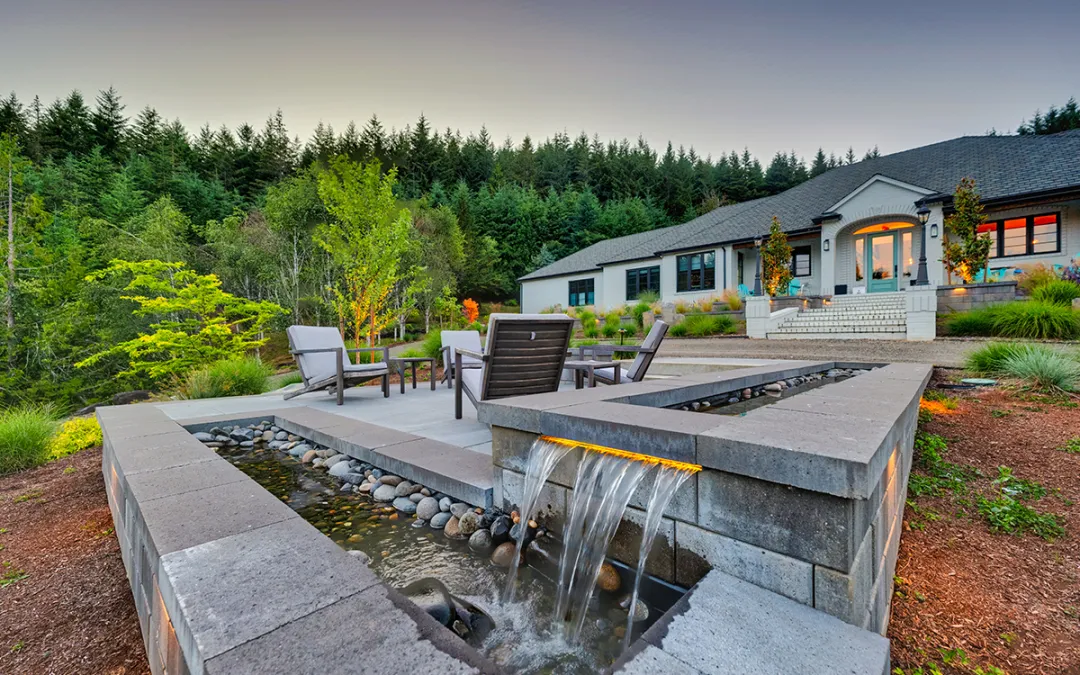
A water feature is a versatile and visually captivating addition to any outdoor or indoor space, designed to combine aesthetic appeal with the calming effects of flowing water. From residential gardens to commercial landscapes, water features serve as focal points, enhancing property value, creating serene environments, and contributing to environmental harmony. Properly designed and installed, water features not only beautify spaces but also provide practical benefits such as improved air quality, cooling effects, and support for local wildlife. Whether it is a pond, fountain, waterfall, or custom installation, understanding the types, installation methods, maintenance requirements, and design considerations of water features is essential to achieving long-term enjoyment and functionality.
Types of Water Features
Water features come in a wide variety of forms, each offering distinct visual and auditory effects to suit different spaces and preferences. Garden ponds are among the most popular options, providing a naturalistic setting that can include aquatic plants, fish, and decorative elements. Ponds create a relaxing ambiance, attract birds and other wildlife, and serve as a tranquil retreat in residential landscapes.
Fountains are another widely used type of water feature, available in wall-mounted, tiered, or freestanding designs. Fountains add elegance and a dynamic element to gardens, patios, and entryways. Their flowing water produces soothing sounds that mask urban noise and enhance relaxation. Modern fountains often incorporate lighting, sculpture, or water jets, creating striking visual displays that can be customized to complement architectural styles.
Waterfalls and cascading streams are particularly effective in larger landscapes, combining visual movement with the therapeutic sound of flowing water. Naturalistic waterfalls use rocks and boulders to mimic the appearance of a forest or mountain stream, while contemporary designs may incorporate geometric shapes, glass, or metal for a more modern aesthetic. Cascading water features can also help aerate ponds, improve water circulation, and prevent stagnation.
Other types of water features include wall water panels, bubbling urns, and reflective pools. Wall water panels provide a sleek, vertical display of flowing water, making them ideal for courtyards, small patios, or indoor installations. Bubbling urns offer compact, low-maintenance options that add visual and auditory appeal in small garden spaces or entryways. Reflective pools, often shallow and still, emphasize symmetry and tranquility, creating a meditative focal point for gardens, commercial plazas, or residential courtyards.
Benefits of Installing a Water Feature
Water features provide numerous aesthetic, functional, and environmental benefits. Aesthetically, they enhance the beauty of any space by creating a visually striking focal point. Flowing water adds movement and life to otherwise static areas, complementing landscaping, architecture, and outdoor furnishings. Properly integrated water features can unify design elements, highlight plants and pathways, and contribute to a cohesive, elegant environment.
Functionally, water features contribute to stress reduction and improved mental well-being. The sound of flowing water has a calming effect, promoting relaxation and reducing anxiety. In residential settings, water features can create a peaceful retreat for homeowners, while in commercial settings, they enhance the ambiance of outdoor dining areas, lobbies, or public plazas. In addition, water features can help mask urban noise, creating a more serene environment in busy neighborhoods or city centers.
Environmental benefits include supporting local wildlife, improving air quality, and moderating microclimates. Ponds and streams provide habitats for birds, frogs, and beneficial insects, encouraging biodiversity. The evaporative effect of water features can help cool surrounding areas, particularly in hot climates, while moving water increases humidity and improves air circulation. Reflective water surfaces can also amplify natural light, enhancing the overall appeal of gardens and outdoor spaces.
Design Considerations for Water Features
Designing a water feature requires careful consideration of space, aesthetics, materials, and functionality. The size of the feature should correspond to the scale of the surrounding environment, ensuring that it enhances rather than overwhelms the space. In smaller gardens, compact fountains or bubbling urns may be ideal, while expansive landscapes can accommodate ponds, waterfalls, and large cascading streams.
Materials play a critical role in both aesthetics and durability. Natural stones, pebbles, concrete, and metals such as stainless steel or copper are commonly used in water features, chosen based on design style, environmental conditions, and maintenance requirements. Materials must withstand exposure to water, UV radiation, and seasonal temperature changes while maintaining structural integrity and appearance over time.
Water circulation and filtration systems are essential to maintaining water quality and ensuring the feature functions as intended. Pumps, filters, and plumbing components must be correctly sized to handle the volume of water and the height of any vertical elements, such as waterfalls or fountains. Inadequate circulation can result in stagnation, algae growth, and unpleasant odors, reducing the effectiveness and visual appeal of the water feature.
Lighting is another design element that enhances the visual impact of water features, particularly during evening hours. Submersible LED lights, spotlights, and color-changing fixtures can highlight water movement, illuminate plants or rocks, and create dramatic reflections. Thoughtful lighting design increases the usability of outdoor spaces while enhancing ambiance and safety.
Installation and Professional Assistance
While small water features may be installed as DIY projects, larger or more complex installations often require professional assistance. Experts can assess site conditions, design functional and aesthetically pleasing features, and ensure proper installation of pumps, plumbing, and electrical components. Professional installation reduces the risk of leaks, pump failure, or other issues that may arise from improper setup.
Site preparation is a critical step in installation, including excavation, leveling, and ensuring proper drainage. Adequate structural support, waterproofing, and access for maintenance are essential considerations. For water features incorporating live plants or fish, water chemistry, aeration, and filtration must be addressed during installation to ensure a healthy ecosystem.
Maintenance Requirements
Maintaining a water feature is vital to preserving its appearance, functionality, and longevity. Regular cleaning of pumps, filters, and water surfaces prevents debris buildup and ensures optimal water flow. Algae control, water treatment, and occasional draining may be necessary to maintain water clarity and prevent odors.
Winterizing outdoor water features in colder climates protects pumps and plumbing from freezing, which could cause damage. Covering the feature, removing delicate components, and following manufacturer or professional guidance ensures safe off-season maintenance. Routine inspections for leaks, cracks, or wear in materials prolong the life of the water feature and reduce long-term repair costs.
Challenges and Considerations
While water features offer numerous benefits, there are challenges that should be considered. Initial installation costs for large or complex features can be significant, particularly for custom designs or elaborate systems. Ongoing maintenance, energy costs for pumps and lighting, and water consumption are additional factors that must be considered.
Environmental conditions, such as excessive sun exposure, wind, or wildlife activity, can impact water quality and feature performance. Proper site selection, design adjustments, and routine maintenance mitigate these challenges and ensure long-term enjoyment. Safety is also a consideration, particularly for ponds or water features with deep water, requiring appropriate barriers, signage, or supervision in residential or public areas.
Conclusion
Water features provide a unique combination of beauty, tranquility, and functional benefits for residential and commercial spaces alike. From ponds and fountains to waterfalls and reflective pools, these installations enhance aesthetic appeal, create soothing soundscapes, support local ecosystems, and improve microclimates. Thoughtful design, professional installation, and routine maintenance are critical to maximizing the longevity and performance of water features.
Choosing the appropriate type, scale, and materials ensures that the feature complements the surrounding environment and meets the functional and aesthetic goals of the space. Incorporating lighting, circulation, and filtration systems enhances usability and visual impact. Whether creating a backyard retreat, enhancing a corporate landscape, or designing a public plaza, water features are a timeless investment that elevates property value, promotes relaxation, and provides enduring enjoyment for years to come.
