
Having a lush, green lawn can significantly enhance the aesthetic appeal of your property. It provides a welcoming space for outdoor activities, adds value to your home, and contributes to the overall environmental health of your surroundings. However, achieving and maintaining a beautiful lawn requires more than just occasional watering or mowing. A well-maintained lawn requires continuous attention and a variety of lawn care practices to ensure it thrives throughout the year. Whether you’re a seasoned homeowner or a new property owner looking to improve your lawn’s appearance, understanding the basics of lawn care is essential. In this article, we will delve into the critical aspects of proper lawn maintenance, from fertilization and irrigation to aeration and pest control.
The Importance of Lawn Care: Why It Matters
Lawn care is not just about having a visually appealing yard. It also serves practical purposes that contribute to the health of your home and the environment. A well-maintained lawn provides a range of benefits beyond beauty, including improving air quality by absorbing carbon dioxide and releasing oxygen into the atmosphere. Healthy grass helps reduce soil erosion by holding the soil in place with its root systems, and it has a cooling effect on the surrounding area by absorbing and reflecting heat, which can help mitigate the urban heat island effect in cities. Additionally, a well-maintained lawn can serve as a habitat for various forms of wildlife, such as birds, insects, and small animals, further supporting biodiversity. From a mental health perspective, spending time in green spaces has been shown to help reduce stress and improve overall well-being. These are just a few of the many benefits of maintaining a healthy lawn, and with proper lawn care, you can ensure that your lawn provides these advantages for years to come.
Basic Lawn Care Practices Every Homeowner Should Follow
Taking care of your lawn might seem like an overwhelming task, but with the right approach and commitment, it becomes manageable. By following these essential lawn care practices, you can ensure that your lawn remains healthy, vibrant, and attractive all year long.
Mowing Your Lawn Properly
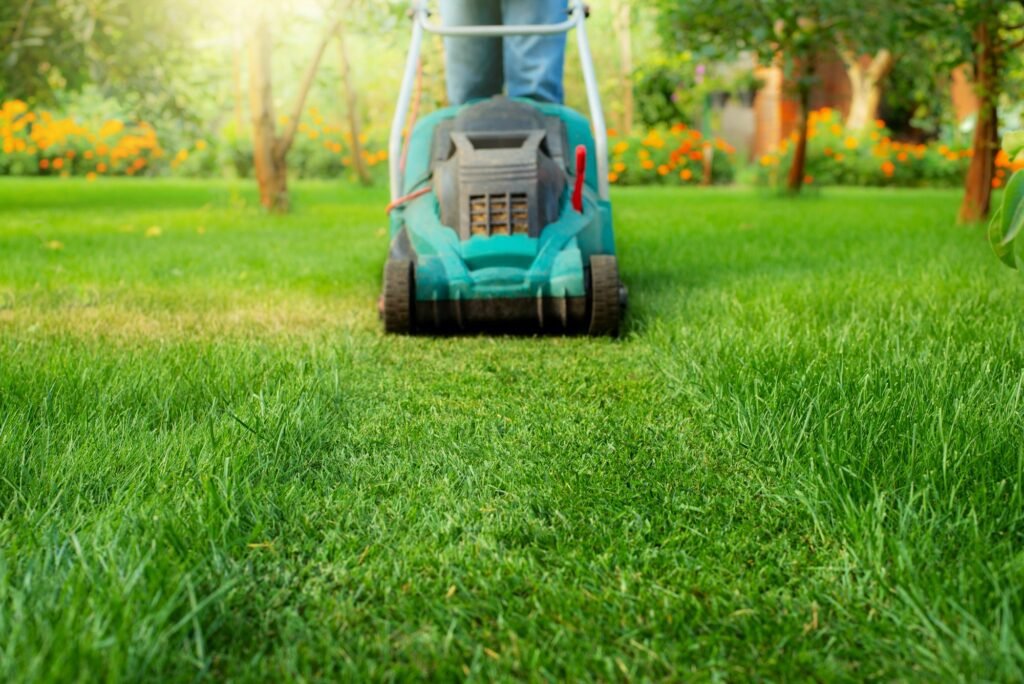
Mowing is one of the most fundamental aspects of lawn care, but it’s not as simple as cutting the grass down to any desired height. There are specific guidelines you should follow to ensure that your lawn stays healthy after each mow. First and foremost, avoid cutting the grass too short. Grass should be cut at the appropriate height for the type of grass you have. Cutting it too short can stress the grass, expose soil, and lead to weed growth. Grass that is too short also struggles to perform the vital process of photosynthesis effectively, weakening the lawn. Additionally, mowing regularly is essential for maintaining the health of your lawn. You should aim to mow once a week during the growing season, adjusting the frequency based on your grass type and growth rate. Keeping your mower blades sharp is equally important because dull blades can tear the grass rather than cutting it cleanly, which can cause the grass to become more susceptible to diseases and pests. Finally, mowing in different directions helps prevent the grass from developing a grain, encourages even growth, and reduces compaction.
Watering Your Lawn
Watering is crucial for the health of your lawn, but overwatering or underwatering can both cause problems. The key to effective watering is to ensure that the grass receives adequate moisture without becoming waterlogged. To optimize your watering practices, you should water deeply but infrequently. Rather than giving your lawn light, frequent watering, aim to water deeply but less often. This encourages the grass to develop deep roots, making it more drought-resistant. Ideally, water early in the morning, preferably before 10 AM, as this allows the grass to dry out by the time the heat of the day arrives, reducing the risk of fungal diseases. It’s also important to check the soil moisture to gauge when watering is necessary. You can do this by using a soil moisture meter or simply sticking your finger into the soil. Water when the top 1-2 inches of soil feels dry, but avoid overwatering, as this can lead to root rot and other problems.
Fertilizing Your Lawn
Fertilization provides your lawn with the essential nutrients it needs to grow strong, green, and thick. However, applying the right fertilizer at the right time is crucial for success. The type of fertilizer you choose depends on the specific needs of your lawn, but there are generally two types: organic and synthetic fertilizers. Organic fertilizers are a good choice for environmentally conscious homeowners, while synthetic fertilizers may offer more immediate results. Regardless of the type you choose, it’s important to follow a proper fertilization schedule. Typically, fertilizing your lawn two to four times a year is sufficient, with applications in the spring to help the grass establish itself and in late summer or early fall to encourage strong root growth before winter. However, over-fertilization can lead to rapid, unsustainable growth and make your lawn more susceptible to pests and diseases. Always follow the manufacturer’s instructions carefully to avoid excessive application.
Aeration for Healthy Grass Roots
Soil compaction is a common issue that can hinder the growth of your lawn. When soil becomes compacted, water, air, and nutrients have difficulty penetrating the surface, leading to weak grass roots and poor lawn health. Aeration helps to alleviate this problem by creating small holes in the soil, allowing air, water, and nutrients to reach the roots more effectively. Aerating your lawn once or twice a year is a great way to ensure optimal grass growth. This is especially important for lawns that receive heavy foot traffic or are grown on clay-heavy soils. A professional lawn care service can perform core aeration, which involves removing small plugs of soil to loosen compacted areas, allowing the soil to breathe and support healthy root development. Aerating helps your lawn’s roots grow deeper, making the grass more resilient to heat, drought, and other environmental stresses.
Controlling Weeds, Pests, and Diseases
Maintaining a healthy lawn requires keeping it free from weeds, pests, and diseases that can undermine its vitality. Weeds compete with grass for water, nutrients, and sunlight, and their presence can quickly take over an otherwise healthy lawn. Regularly removing weeds by hand or using a selective herbicide will prevent them from taking over your lawn. Additionally, applying a pre-emergent herbicide in early spring can help prevent weed seeds from germinating, minimizing weed problems before they even start. Pests like grubs and chinch bugs can cause severe damage to your lawn by feeding on the grass roots. Regular monitoring for pests and applying targeted insecticides when necessary can help keep them in check. Fungal diseases like powdery mildew and rust thrive in moist conditions and can harm your lawn if left untreated. By ensuring proper irrigation, good air circulation, and applying fungicides when needed, you can reduce the risk of lawn diseases and maintain a healthy lawn.
Overseeding to Improve Lawn Density
Overseeding involves spreading grass seed over an existing lawn to improve its density and fill in any bare patches. This is an essential practice in lawn care, especially for lawns that have thinning or patchy areas. Overseeding helps to improve the lawn’s overall health by introducing new grass varieties that are better suited to your region’s climate and soil conditions. If your lawn has been affected by diseases or pests, overseeding helps rejuvenate it by replacing damaged grass with fresh, healthy seeds. It’s typically done in the fall or spring, depending on the grass species, but fall is generally considered the best time to overseed. The cooler temperatures and increased rainfall during this time create optimal conditions for seed germination, allowing the new grass to establish strong roots before the summer heat sets in.
Dealing with Seasonal Lawn Care Challenges
Each season brings its unique set of challenges when it comes to lawn care. The key to successful lawn maintenance is adjusting your approach based on the time of year. In the spring, your lawn comes out of dormancy and requires extra care to get it back in shape. It’s important to rake off any dead grass or leaves from the winter months to allow the new grass to breathe and grow. Fertilizing your lawn will give it a nutrient boost to help jumpstart its growth, and aerating your lawn will relieve any compaction that may have occurred during the winter. Spring is also the ideal time to apply a pre-emergent herbicide to prevent weeds from sprouting.
During the hot summer months, it’s crucial to focus on watering and keeping the lawn cool. Water early in the morning to avoid evaporation during the heat of the day. Mowing less frequently and avoiding cutting the grass too short helps to retain moisture and keep the grass from drying out. Pests can be a major issue during the summer, so keeping an eye on potential insect problems and applying insecticides as necessary will help prevent damage to your lawn.
Fall is one of the best times to give your lawn some extra care before the winter chill sets in. Aerating and overseeding your lawn during the fall strengthens the grass and helps it prepare for the colder months. Applying a balanced, slow-release fertilizer encourages deep root growth, and removing fallen leaves will prevent them from suffocating the grass beneath them.
In winter, your lawn may go dormant, but you still need to monitor it. Avoid walking on your lawn when it’s covered with frost or snow to prevent damage to the grass blades. Cleaning up any debris will prevent it from blocking sunlight from reaching the grass. While winterizing your lawn is not as intensive as other seasons, ensuring that the grass remains free of heavy debris will help it stay healthy for the coming spring.
Conclusion: Why Lawn Care Is Worth the Effort
While maintaining a healthy, beautiful lawn requires time and effort, the rewards are well worth it. From enhancing the curb appeal of your home to providing a safe and attractive space for outdoor activities, a well-cared-for lawn can transform your property. Moreover, lawn care practices like mowing, watering, fertilization, aeration, and pest control contribute to the overall health of your yard, ensuring it thrives year-round. By following these essential lawn care tips, you can enjoy a lush, vibrant lawn that will be the envy of your neighborhood. Whether you tackle the job yourself or hire a professional service, consistent care and attention will help your lawn remain in top shape, season after season.
