
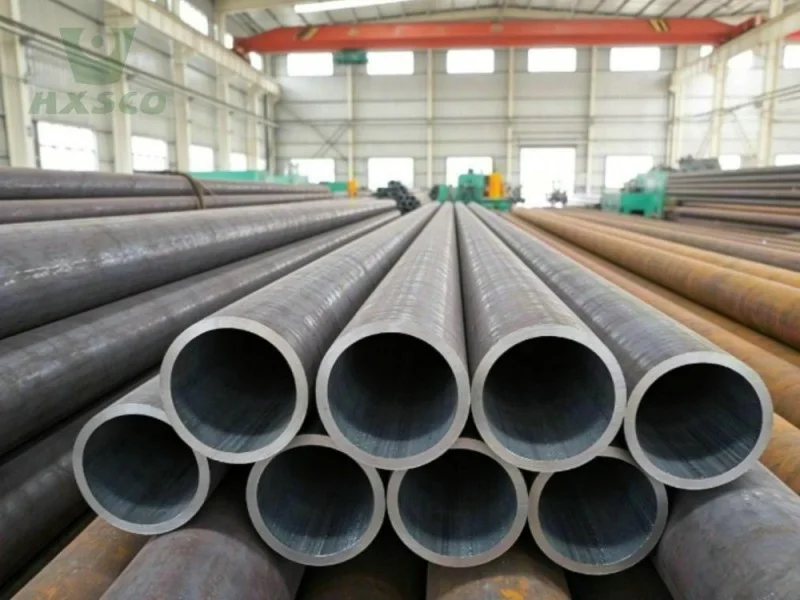
Stainless steel pipes and carbon steel pipes are common in many industries. People use them for plumbing, oil and gas, construction, and more. This article looks at how they differ, their good points, and their bad points. We will break it down step by step so you can understand which one might work best for your needs. By the end, you will have a clear idea of when to pick one over the other.
What is Stainless Steel Pipe?
Stainless steel pipe is made from steel mixed with chromium and other elements like nickel or molybdenum. The chromium helps it resist rust and stains. This type of pipe comes in different grades, such as 304 or 316, which change based on how much of each element is added. Manufacturers make these pipes by welding or seamless methods. Welded pipes have a seam where two pieces join, while seamless ones are made from a solid piece of metal.
These pipes are used in places where cleanliness matters, like food processing or hospitals. They can handle high temperatures and pressures. The surface is smooth, which makes it easy to clean. Stainless steel pipes last a long time because they do not corrode easily in wet or acidic conditions. They are also strong and can bend without breaking. In terms of size, they range from small diameters for home use to large ones for industrial setups.
What is Carbon Steel Pipe?
Carbon steel pipe is mainly made from iron and carbon, with small amounts of other elements like manganese or silicon. It does not have much chromium, so it can rust if exposed to water or air. There are low, medium, and high carbon types, which affect how hard or flexible the pipe is. Low carbon is more flexible, while high carbon is harder but can break easier.
These pipes are also made by welding or seamless processes. They are common in oil pipelines, water systems, and structural supports. Carbon steel pipes are tough and can carry heavy loads. They work well in dry or controlled environments. Sizes vary a lot, from tiny tubes to big pipes for transporting fluids over long distances.
Key Differences Between Stainless Steel Pipe and Carbon Steel Pipe
The main differences come from their makeup and how they perform.
First, composition: Stainless steel has at least 10.5% chromium, which forms a protective layer against rust. Carbon steel has less than 2% carbon and no chromium, so it needs coatings to prevent corrosion.
Second, corrosion resistance: Stainless steel fights rust well in moist or chemical environments. Carbon steel rusts quickly without paint or galvanizing.
Third, strength and durability: Both are strong, but stainless steel keeps its strength at high temperatures. Carbon steel can weaken in extreme heat.
Fourth, cost: Carbon steel is cheaper to make and buy. Stainless steel costs more because of the added elements.
Fifth, weight: Stainless steel is often lighter for the same strength, which helps in some applications.
Sixth, maintenance: Stainless steel needs less upkeep since it does not rust. Carbon steel requires regular checks and coatings.
Seventh, appearance: Stainless steel looks shiny and clean. Carbon steel can look dull unless treated.
These differences help decide which pipe to use based on the job.
Advantages of Stainless Steel Pipe
Stainless steel pipes have many good features.
They resist corrosion, so they last longer in wet areas. This saves money on replacements.
They are hygienic, making them ideal for food and medical uses. Bacteria do not stick easily to the smooth surface.
They handle high temperatures without losing shape, useful in boilers or engines.
They look good, so they are used in buildings where appearance matters.
They are recyclable, which is good for the environment.
They need little maintenance, reducing long-term costs.
They are versatile and can be shaped into different forms.
Overall, they provide reliability in tough conditions.
Disadvantages of Stainless Steel Pipe
There are some downsides too.
The high cost is a big one. They are more expensive than carbon steel.
They can be harder to weld, needing special skills.
In very cold temperatures, they might become brittle.
They are not as strong in some low-temperature uses compared to other materials.
The production process uses more energy, which can raise the price.
If not the right grade, they might still corrode in strong acids.
These points mean they are not always the best choice for budget projects.
Advantages of Carbon Steel Pipe
Carbon steel pipes offer several benefits.
They are low cost, making them great for large projects.
They are very strong and can handle high pressure.
They are easy to find and buy in many sizes.
They can be welded quickly, speeding up installation.
They work well in structural roles, like bridges or buildings.
They have good thermal conductivity, useful for heat transfer.
They are durable in dry conditions.
These make them a popular choice for many basic needs.
Disadvantages of Carbon Steel Pipe
On the flip side, they have issues.
They rust easily, needing extra protection like paint.
Maintenance is higher, with regular inspections required.
They can corrode in salty or acidic environments.
They lose strength at high temperatures.
They are heavier, which can make transport harder.
They might not look as nice without finishes.
In water systems, they can contaminate if they rust inside.
These drawbacks limit their use in some areas.
When to Choose Stainless Steel Pipe
Pick stainless steel when corrosion is a risk, like in coastal areas or chemical plants. Use it for food processing to keep things clean. In high-heat situations, like steam lines, it performs better. If long life is key and budget allows, go for it. For medical equipment or pharma, it’s a must. Also, in decorative parts of buildings, its shine helps.
Many top manufacturers focus on stainless steel for quality. To view more about options, check this link: view more.
When to Choose Carbon Steel Pipe
Choose carbon steel for cost-saving projects, such as general plumbing or oil transport in dry regions. It’s good for structural supports where strength matters more than rust resistance. In low-temperature setups without moisture, it works fine. For temporary or indoor uses, it’s sufficient. If you can add coatings, it becomes more versatile.
Conclusion
Stainless steel and carbon steel pipes each have their place. Stainless offers better rust resistance and hygiene, but at a higher price. Carbon is cheaper and stronger but needs more care against corrosion. Think about your environment, budget, and needs when choosing. Both are reliable if used correctly.
For more details on pipes, visit our site at https://www.hnyasco.com/.
