
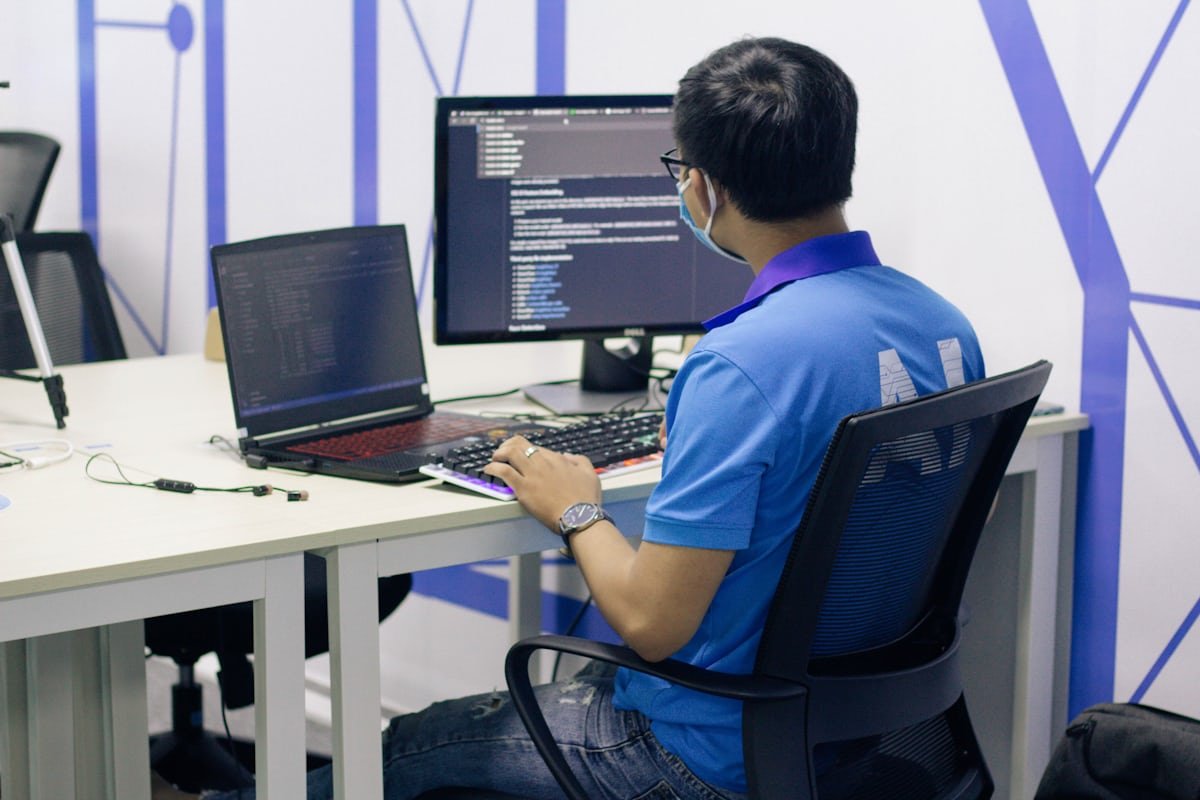
Software development has evolved rapidly over the past decade. Applications now power nearly every aspect of modern life, from online shopping and banking to healthcare systems and communication platforms. As digital services expand, the expectations placed on software have increased dramatically. Users demand seamless experiences, reliable performance, and constant updates that introduce new features.
At the same time, development teams face increasing pressure to release products quickly. Agile development and DevOps practices emphasize continuous delivery, allowing organizations to deploy updates frequently. While this approach improves innovation and responsiveness, it also creates significant challenges for maintaining software quality.
To meet these demands, many organizations are adopting AI-powered automated testing tools. These technologies combine automation with artificial intelligence to streamline testing processes, identify issues earlier, and improve overall reliability.
The Rising Complexity of Modern Software
Modern applications are rarely simple systems. A typical digital platform may include web interfaces, mobile applications, cloud services, and multiple integrations with external APIs. Each of these components introduces additional layers of complexity.
For developers, this means testing must account for numerous environments, devices, browsers, and user scenarios. Ensuring that an application performs consistently across all of these variables can be extremely challenging.
Traditional testing methods, which rely heavily on manual processes or static automation scripts, often struggle to keep pace with this complexity. Testing large applications manually requires significant time and resources. Meanwhile, maintaining automated scripts can become burdensome when user interfaces or system structures change.
Artificial intelligence provides a solution by enabling testing tools to adapt dynamically to evolving systems.
Understanding AI-Powered Automated Testing
AI-powered testing tools use machine learning algorithms to analyze application behavior and improve testing strategies. Instead of relying solely on predefined scripts, these systems learn from previous test results and identify patterns that indicate potential issues.
One of the most valuable features of AI-driven testing is its ability to prioritize testing efforts. Rather than running every possible test scenario, AI can identify areas that are most likely to contain defects and focus validation efforts there.
Another advantage is automatic test generation. AI tools can analyze workflows and user interactions to create new test cases that developers may not have considered. This increases coverage without requiring extensive manual effort.
These capabilities allow development teams to maintain high-quality standards while continuing to release updates rapidly.
Faster Development Cycles Through Intelligent Automation
Speed is a defining factor in modern software development. Businesses compete to launch features quickly and respond to market demands. Testing processes that slow down development can become a bottleneck.
AI-powered automation helps eliminate these bottlenecks by integrating testing directly into development pipelines. Continuous integration systems can automatically run tests whenever code is updated. Developers receive immediate feedback, enabling them to fix issues early in the development cycle.
Early defect detection significantly reduces the cost and effort required to resolve problems. Fixing bugs during development is far easier than addressing them after deployment.
This rapid feedback loop helps teams maintain development momentum while ensuring that each release meets quality standards.
Improving Defect Detection and System Reliability
One of the most important benefits of AI-powered testing is improved defect detection. Machine learning algorithms analyze large volumes of testing data and identify patterns associated with software failures.
For example, AI tools can detect anomalies in application behavior that may indicate hidden defects. These systems may identify unusual performance metrics, unexpected error patterns, or inconsistent outputs across environments.
By recognizing these signals early, AI-driven testing platforms help teams address potential problems before users encounter them.
As development teams adopt more sophisticated testing strategies, many turn to platforms like the Test Automation Tools blog to explore emerging test automation tools and compare different solutions. Access to curated insights and technical guidance can help organizations select tools that align with their development workflows.
The Role of Human Testers in an AI-Driven Environment
Despite the growing importance of automation, human expertise remains essential. Testing is not solely a technical process. It also involves evaluating user experience, identifying design flaws, and understanding how real people interact with applications.
AI tools excel at performing repetitive validation tasks and analyzing large datasets. However, human testers bring creativity, intuition, and contextual understanding that machines cannot replicate.
Industry experts frequently emphasize that automation does not replace human testers. Instead, intelligent automation complements human expertise by handling routine tasks and allowing testers to focus on higher-level analysis.
In this collaborative environment, testers become strategic contributors who guide testing strategies, evaluate results, and improve overall software quality.
Supporting DevOps and Continuous Integration
DevOps practices aim to unify development and operations teams to accelerate software delivery. Continuous integration and continuous deployment pipelines allow organizations to release updates frequently and efficiently.
AI-powered testing tools integrate seamlessly with these workflows. Automated validation ensures that each code change is tested thoroughly before reaching production environments.
This integration reduces the risk of releasing unstable updates and ensures that new features do not disrupt existing functionality. By embedding testing into the development pipeline, organizations create a culture of continuous quality improvement.
Enhancing Scalability for Modern Applications
Scalability is another major challenge for modern software systems. Applications must be able to support large numbers of users while maintaining consistent performance.
AI-driven testing tools can simulate large-scale usage scenarios and evaluate how applications behave under stress. Machine learning models analyze performance metrics and identify bottlenecks that could affect scalability.
These insights help development teams optimize infrastructure, improve load balancing strategies, and enhance overall system resilience.
The Future of AI in Software Testing
The role of artificial intelligence in software testing is expected to grow significantly in the coming years. As machine learning technologies advance, testing tools will become even more intelligent and autonomous.
Future systems may be capable of generating entire testing frameworks based on application requirements. Predictive analytics could identify vulnerabilities before code is deployed. Autonomous testing agents may continuously monitor applications and adjust testing strategies in real time.
Organizations that adopt AI-powered testing tools today will be well-positioned to take advantage of these future innovations.
Conclusion
The complexity of modern software development requires more advanced testing strategies than ever before. AI-powered automated testing tools provide a powerful solution by combining automation with intelligent analysis.
These tools accelerate development cycles, improve defect detection, and enhance system reliability. They also enable development teams to manage increasingly complex applications without sacrificing quality.
As digital platforms continue to evolve, the integration of artificial intelligence into testing workflows will become increasingly essential. Organizations that embrace these technologies will gain a significant advantage in delivering reliable, scalable, and innovative software solutions.
