
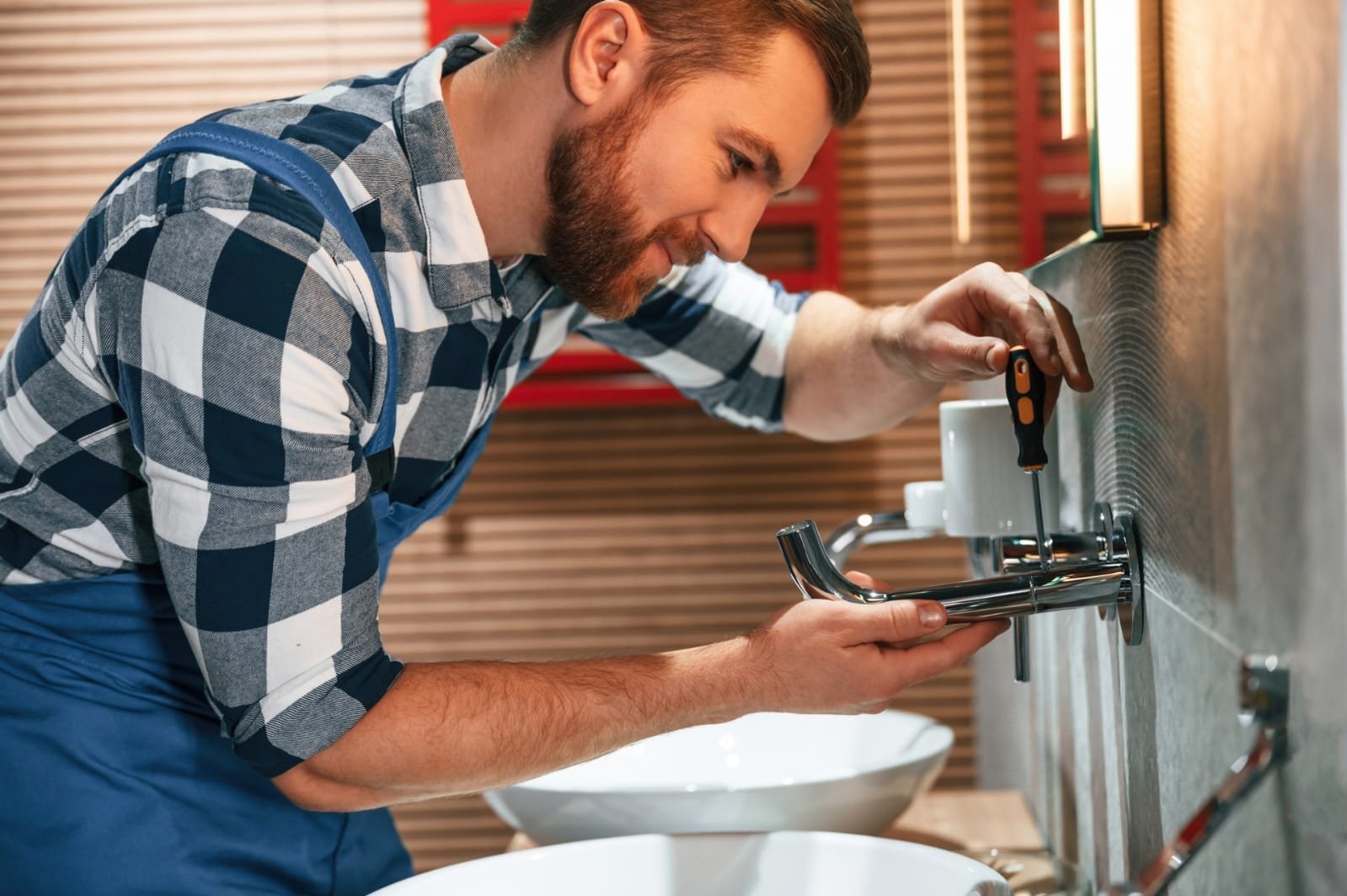
A dripping faucet is one of the most common plumbing problems homeowners face across the United States. While it may seem minor, a faucet that won’t stop dripping can waste thousands of gallons of water each year, raise your utility bills, and slowly damage fixtures and cabinets. At Bend Plumbers, dripping faucets are among the most frequent service calls, and in many cases, the repair is simple, affordable, and well within reach for DIY-minded homeowners.
This guide explains why faucets drip, how to identify your faucet type, and exactly how to fix the problem step by step.
Why a Faucet Keeps Dripping
A faucet drips when an internal sealing component can no longer create a watertight seal. Over time, everyday use, water pressure, and mineral buildup wear down internal parts.
Common causes include:
- Worn washers or O-rings
- Failing cartridges
- Corroded valve seats
- Loose or damaged internal components
Even a tiny defect can allow water to slip through, causing constant dripping.
Step 1: Shut Off the Water Supply
Before any repair, always turn off the water.
- Locate the hot and cold shutoff valves under the sink
- Turn them clockwise until fully closed
- If shutoff valves aren’t available, turn off the home’s main water supply
- Open the faucet to drain remaining water
Plug the sink drain to prevent small screws or parts from falling in.
Step 2: Identify Your Faucet Type
Knowing your faucet type is critical, as each design uses different internal parts. Most U.S. homes have one of the following:
Compression Faucets (Common in Older Homes)
- Two handles (hot and cold)
- Require firm tightening to shut off
Typical Cause: Worn rubber washer
Fix: Replace washer and inspect valve seat for corrosion
Cartridge Faucets
- Single handle or two handles
- Smooth handle operation
Typical Cause: Worn cartridge or O-rings
Fix: Replace cartridge with an exact match
Ball Faucets
- Single handle with a rounded cap
- Often found in kitchen sinks
Typical Cause: Worn seals and springs
Fix: Replace seals and springs using a repair kit
Ceramic Disc Faucets
- Single handle, modern design
- Very durable but not immune to leaks
Typical Cause: Cracked ceramic discs or worn seals
Fix: Clean debris or replace cartridge
Step 3: Disassemble the Faucet Carefully
- Remove decorative caps and handle screws
- Lift off the handle
- Remove internal parts in the order they appear
Tip: Take photos during disassembly so reassembly is easier and mistake-free.
Step 4: Inspect and Replace Worn Parts
Look closely for:
- Flattened or cracked washers
- Brittle O-rings
- Corroded metal parts
- Broken cartridges
Replacement parts usually cost $5–$25 at most U.S. hardware stores.
Always bring old parts with you to ensure an exact match.
Step 5: Clean Mineral Buildup and Valve Seats
Hard water is common in many regions of the U.S. and leads to mineral deposits that damage seals.
How to Clean:
- Soak removable parts in white vinegar for 30–60 minutes
- Scrub gently with a soft brush
- Rinse thoroughly before reinstalling
If the valve seat is heavily corroded, it may need professional repair.
Step 6: Reassemble and Test the Faucet
- Reinstall parts in reverse order
- Tighten snugly, but don’t overtighten
- Turn water back on slowly
- Test for leaks and smooth handle movement
If the faucet still drips, double-check alignment and part placement.
When a Dripping Faucet Isn’t a DIY Fix
Call a licensed U.S. plumber if:
- The faucet still leaks after replacing parts
- You see corrosion inside the faucet body
- Shutoff valves won’t close
- The fixture or sink is cracked
Persistent leaks often signal deeper plumbing issues.
How Much Water Does a Dripping Faucet Waste?
According to EPA estimates:
- One drip per second wastes 3,000+ gallons per year
- Fixing leaks can reduce household water use by up to 10%
That’s a noticeable savings on your water bill.
How to Prevent Future Faucet Leaks
- Avoid overtightening handles
- Clean aerators regularly
- Address small drips immediately
- Schedule routine plumbing inspections
Fixing a dripping faucet is one of the easiest ways to save water, reduce utility costs, and prevent long-term plumbing damage. In many cases, a simple washer or cartridge replacement restores your faucet to like-new performance. Taking care of leaks early helps protect your home and keeps your plumbing system running efficiently.
