
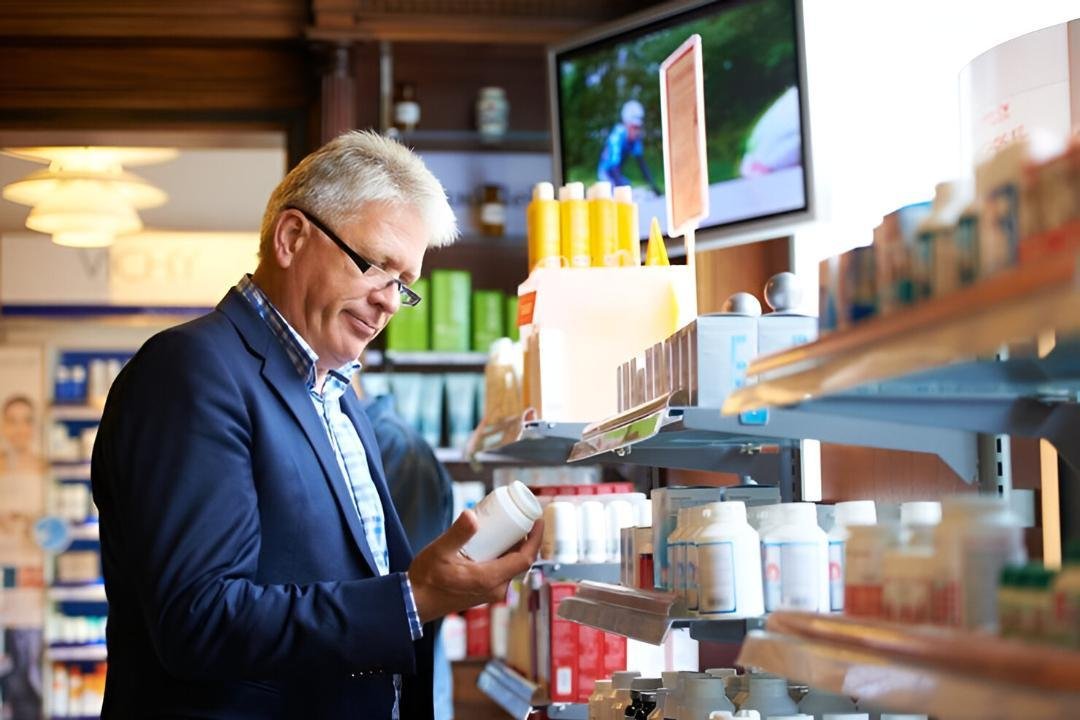
The health supplement industry has become increasingly retail-driven as consumers look for convenient access to wellness products through stores, pharmacies, and online marketplaces. While product quality remains essential, retail readiness now plays a critical role in determining which brands succeed at scale. A supplement that performs well in small batches may still struggle if it is not prepared for the demands of retail distribution.
Retail readiness involves more than packaging design or shelf placement. It requires consistent manufacturing, dependable supply chains, accurate labeling, and the ability to meet retailer expectations for volume, timelines, and compliance. Brands that plan for retail distribution early are better positioned to expand without facing costly disruptions.
Manufacturing as the Foundation of Retail Readiness
In this environment, working with a professional Global Health Supplement OEM/ODM partner helps brands prepare for retail requirements from the production stage onward. OEM (Original Equipment Manufacturer) and ODM (Original Design Manufacturer) manufacturing models provide the structure brands need to produce supplements at a scale and consistency suitable for retail environments.
OEM manufacturing supports brands that already have defined formulations by ensuring consistent production, quality control, and packaging alignment. This consistency is essential when supplying retail partners who expect uniform products across multiple locations.
ODM manufacturing includes formulation and production, allowing manufacturers to design products that already meet retail standards. Brands can then customize these products under their own label, reducing the risk of rework or delays during retail onboarding.
Both models support retail readiness by aligning production capabilities with distribution expectations.
Understanding Retail Requirements in the Supplement Industry
Retailers operate under strict guidelines designed to protect consumers and manage inventory efficiently. Supplement brands must meet these requirements to secure shelf space and maintain long-term retail relationships.
Common retail requirements include:
- Consistent product quality across batches
- Accurate and compliant labeling
- Reliable production timelines
- Scalable manufacturing capacity
- Stable supply chains
Brands that fail to meet these expectations may face order cancellations, delisting, or reputational damage.
Packaging and Labeling for Retail Success
Packaging and labeling are critical elements of retail readiness. Retailers expect packaging that protects products, meets regulatory requirements, and aligns with shelf display standards.
Manufacturing partners help brands ensure that packaging materials are compatible with production processes and transportation conditions. Labels must accurately reflect ingredients, dosages, and regulatory disclosures while remaining clear and readable for consumers.
Accurate packaging and labeling reduce the risk of returns, complaints, or regulatory issues at the retail level.
Consistency Across Large-Scale Production
Retail distribution requires consistency at scale. A product that varies in appearance, texture, or quality from batch to batch can quickly lose retailer and consumer trust.
OEM and ODM manufacturers achieve consistency through standardized production processes, quality management systems, and batch testing. These systems ensure that each unit meets defined specifications regardless of production volume.
Consistency supports brand credibility and helps maintain positive retail relationships.
Inventory Planning and Retail Forecasting
Retail distribution often involves large purchase orders and strict delivery schedules. Brands must plan inventory carefully to meet retailer demand without overproducing or understocking.
Manufacturing partners support inventory planning by providing predictable production timelines and scalable output. This reliability allows brands to align production with retail forecasts and seasonal demand.
Effective inventory planning reduces waste, prevents stockouts, and supports stable cash flow.
Logistics and Distribution Coordination
Getting products from manufacturing facilities to retail shelves requires precise logistics coordination. Delays in shipping or customs processing can disrupt retail timelines and lead to financial penalties.
OEM and ODM manufacturing partners help coordinate logistics by aligning production schedules with shipping plans. They also support packaging and palletization standards required for retail distribution.
For brands distributing internationally, logistics coordination becomes even more important due to customs regulations and regional delivery requirements.
Meeting Retail Compliance and Documentation Standards
Retailers often require detailed documentation before accepting supplement products. This may include certificates of analysis, quality assurance records, and regulatory compliance documentation.
Professional manufacturers maintain organized records that support retail onboarding processes. This documentation helps brands respond quickly to retailer requests and reduces delays in product approval.
Strong documentation practices demonstrate professionalism and build retailer confidence.
Supporting Omnichannel Distribution
Modern supplement brands often sell through multiple channels, including physical retail stores, e-commerce platforms, and direct-to-consumer websites. Managing these channels requires flexible manufacturing and distribution systems.
OEM and ODM manufacturers support omnichannel distribution by adjusting production volumes, packaging formats, and labeling requirements for different channels. This flexibility allows brands to serve diverse markets without duplicating operations.
Omnichannel readiness helps brands maximize reach and revenue.
Scaling From Regional to National Retail
Many supplement brands begin with regional retail partnerships before expanding nationally. Scaling from regional to national distribution introduces new challenges, including higher volumes, tighter timelines, and increased scrutiny.
Manufacturing partners help brands scale responsibly by expanding production capacity while maintaining quality and compliance. This support allows brands to pursue national retail opportunities with confidence.
In the middle of expansion planning, partnering with a dependable Global Health Supplement OEM/ODM provider helps brands manage growth without compromising operational stability.
Retailer Relationships and Long-Term Success
Retail success depends not only on product performance but also on strong relationships with retail partners. Retailers value brands that deliver consistently, communicate clearly, and respond quickly to issues.
Manufacturing reliability plays a key role in maintaining these relationships. Brands that can meet commitments and adapt to retailer needs are more likely to secure repeat orders and expanded shelf space.
Strong retailer relationships support long-term brand growth.
Choosing a Manufacturing Partner for Retail Expansion
Selecting the right manufacturing partner is essential for brands targeting retail distribution. Brands should evaluate partners based on scalability, quality systems, logistics coordination, and experience with retail requirements.
A platform like jiabeisupplement supports supplement brands by offering structured OEM and ODM manufacturing solutions designed for retail readiness and large-scale distribution. Working with an experienced partner helps brands align production with retail expectations.
Long-Term Benefits of Retail-Ready Manufacturing
Investing in retail readiness provides lasting benefits. Brands that prepare early for retail distribution are better equipped to handle growth, seasonal demand, and market expansion.
Long-term benefits include:
- Stronger retailer trust
- Reduced operational disruptions
- Improved inventory management
- Sustainable brand growth
Retail-ready manufacturing creates a stable foundation for expansion.
The Future of Retail Distribution in Supplements
As consumer demand for supplements continues to rise, retail distribution will remain a key growth channel. Retailers will increasingly prioritize brands that demonstrate reliability, transparency, and scalability.
OEM and ODM manufacturing models will continue to support retail expansion by providing the structure brands need to meet evolving retail expectations.
Conclusion
Retail readiness and large-scale distribution are critical factors in the success of modern health supplement brands. OEM and ODM manufacturing models provide the consistency, scalability, and compliance needed to succeed in retail environments.
For supplement brands aiming to expand their retail presence and build long-term partnerships, working with an experienced manufacturing partner offers both strategic and operational advantages.
