
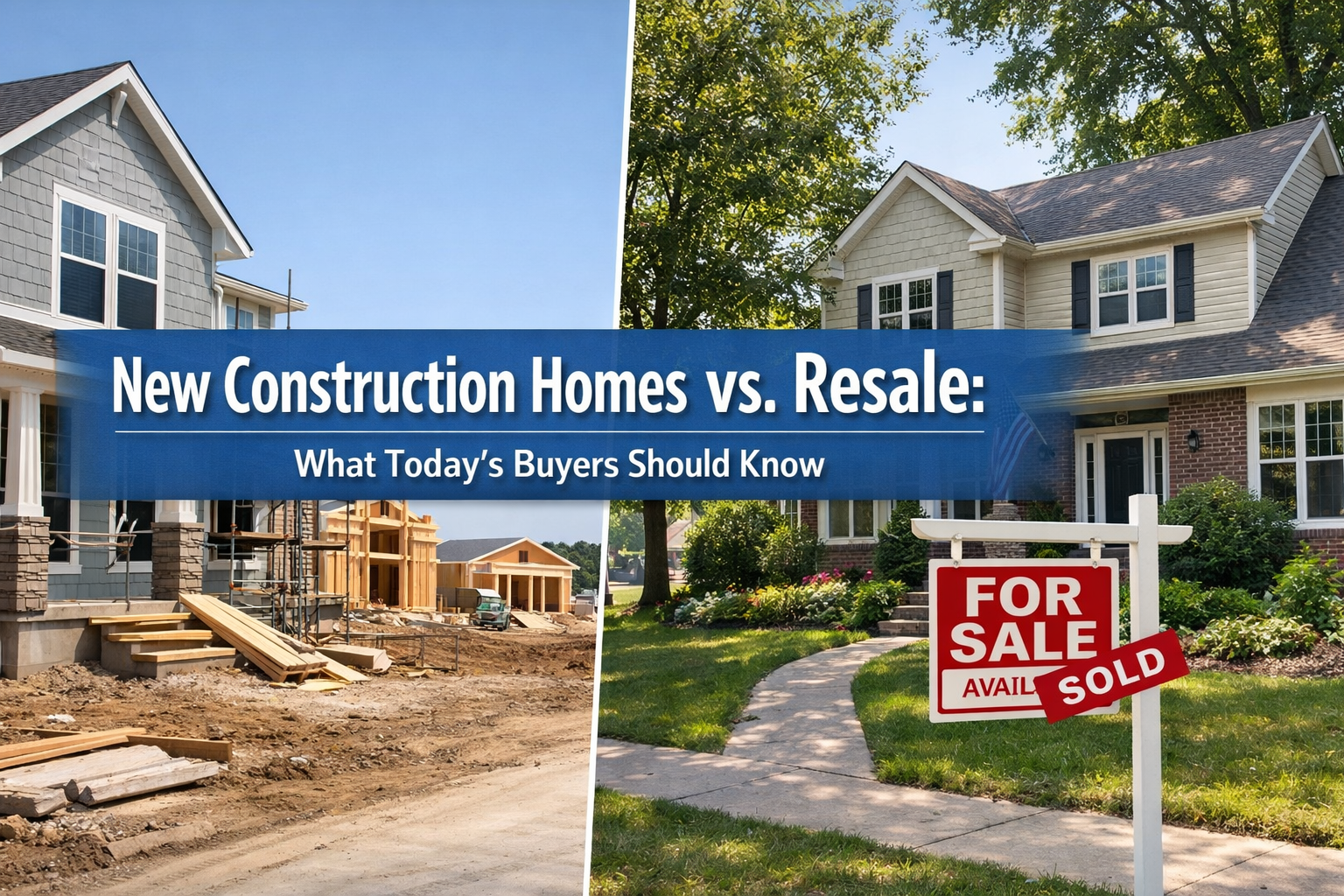
Picture this: two homes, same price, same neighborhood. One feels fresh, efficient, and designed for how people actually live today. The other carries charm but also uncertainty. This is the real decision buyers face when weighing new construction vs resale home options, and it’s one of the most important choices you’ll make in today’s housing market.
The difference between a new home vs resale isn’t just cosmetic. It affects your finances, energy costs, maintenance, lifestyle flexibility, and long-term value. If you’re exploring new homes in southern california, understanding these differences gives you a powerful advantage before you ever tour a property.
Understanding the Core Difference: New Home vs Resale
A decision between a new home and a resale home comes down to timing, customization, and predictability.
New construction houses are either built or newly developed. Before moving in, buyers tend to choose the finishes, layout, and upgrades.
The resale houses have had earlier occupants, and it is a given that they are established neighborhoods, but they also come with old systems and unknown histories of maintenance.
Both have different buyer profiles, though the disparity between the two has increased with the development of building standards, energy codes, and buyer expectations.
The Benefits of New Construction Homes over Resale Homes
1. Contemporary Design Reflecting the Way People Live Today
The creation of new homes reflects existing lifestyles. Open floor plans, home offices, energy-saving windows, and preparedness to be a smart home are all included, not as expensive add-ons.
Renovations in resale homes are also necessary to ensure the same functionality, but they take time and money and create uncertainty.
2. Personalization and Modern Movement
The way we live has changed. Resale homes often have choppy floor plans from the pre-digital era. The contemporary building trend is the Great Room concept, where the kitchen, dining, and living rooms are not compartmentalized and are open, allowing natural light to reach every corner.
In addition, that you can choose what you want to finish the building with, whether it is quartz countertops or an eco-friendly flooring, also means that you do not have to endure a six-month renovation as soon as you close up. You get into a completed item that expresses your style, not the former 1990s residents.
3. Energy Efficiency: A Growing Divide
Energy efficiency creates one of the most apparent distinctions in the new construction vs resale home debate.
New construction homes typically feature:
- Solar-ready or solar-integrated systems
- High-performance insulation
- Energy-efficient windows
- Modern HVAC technology
Older resale homes often struggle to meet today’s efficiency expectations without costly upgrades.
The U.S. Department of Energy reports that newer homes can be up to 30% more energy-efficient than homes built decades ago.
Source: https://www.energy.gov/eere/buildings
Lower energy usage directly impacts monthly expenses and long-term affordability.
4. Smart Tech and Healthy Living
The most prominent constructors now incorporate smart-home technology into the framing. We are discussing Nest thermostats, Ring doorbells, and smart irrigation systems that can think for you, because you do not have to. The health benefits of new construction are also huge, in addition to convenience.
In newer residences, low-VOC (Volatile Organic Compound) paints and building materials are used, along with MERV-13 filtration of air, to ensure that the air your family inhales does not contain the allergenic and toxic substances found in older ductwork.
5. Location and Community Planning
Resale homes typically sit in established neighborhoods. New construction homes often appear in thoughtfully planned communities designed around walkability, efficiency, and access to urban conveniences.
Buyers exploring new homes in Southern California increasingly value:
- Proximity to employment centers
- Reduced commute times
- Sustainable community planning
Modern developments reflect how people live now, not how they lived decades ago.
6. Resale Value and Market Appeal
Both new and resale homes can appreciate, but buyer preferences matter.
New construction homes often attract:
- Buyers seeking energy efficiency
- Low-maintenance households
- Modern design preferences
Resale homes rely heavily on location and condition to compete.
Homes built with modern standards tend to age better in a changing market.
Which Option Makes More Sense for Today’s Buyers?
There’s no universal answer, but buyer priorities guide the decision.
Choose new construction if you value:
- Efficiency and sustainability
- Predictable ownership costs
- Modern layouts and systems
- Minimal maintenance
Choose resale if you prioritize:
- Established neighborhoods
- Architectural character
- Immediate availability
For many buyers today, the long-term benefits tip the scales in favor of new construction.
Final Takeaway
The choice between new construction vs resale home goes far beyond aesthetics. It impacts how you live, how much you spend, and how confidently you plan for the future.
As buyer expectations evolve, the advantages of new construction homes vs resale homes, from efficiency to predictability, continue to grow. Understanding these differences ensures your decision reflects not just today’s market, but tomorrow’s lifestyle.
If you’re evaluating a new home vs. resale, clarity, not compromise, should guide the process.
