
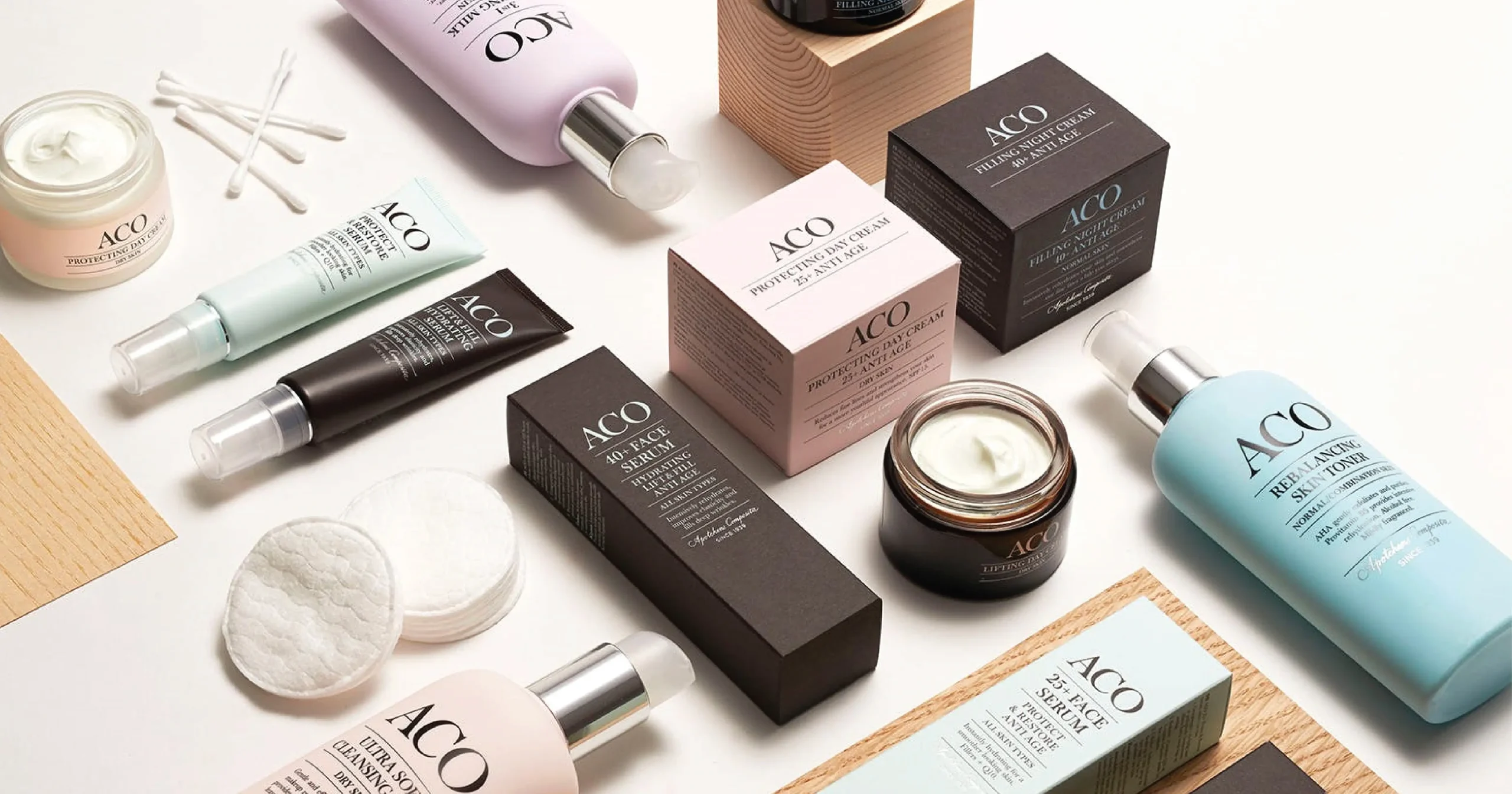
You’ve worked on your formulation for months, maybe even years. The texture is amazing, the smell is light but interesting, and the results speak for themselves. But in the crowded beauty industry, a superior product is only half the battle. The packaging is the first thing a potential customer sees, not the cream or serum.
Custom cosmetic boxes are your brand’s quiet ambassadors. Before the customer even looks at the list of ingredients, they tell them who you are, what your values are, and how much you charge. But making the perfect box packaging is a tricky balancing act. You have to balance strict legal requirements, appealing designs, and the growing demand for eco-friendly materials.
For both new and established brands, figuring out how to meet all three of these requirements can be hard. Here are seven important things to think about when making custom packaging that is safe, attractive, and environmentally friendly.
1. Getting Through The Maze of Rules About Packaging
You need to know the rules of the beauty industry before you choose a color scheme or a font. You have to follow the rules. Not following packaging rules can result in expensive recalls, lawsuits, and a bad reputation.
The Food and Drug Administration (FDA) and the Fair Packaging and Labeling Act (FPLA) set the rules in the US. The Principal Display Panel (PDP) and the Information Panel on your custom cosmetic boxes must clearly show certain information. This includes the product name, the net quantity of contents, and a “Statement of Identity” (what the product is).
In addition, the list of ingredients must be correct and use standard names. If you say that your product has certain benefits, like “anti-aging” or “sun protection,” you are subject to drug regulations, which means you have to follow a whole new set of strict labeling rules. Before you print your design files, always check with a lawyer or a regulatory consultant to make sure they are legal.
2. Using Strategic Design to Define Your Brand
Once the legal work is done, the creative work can start. Design is more than just making things look nice; it’s also about telling a story. Your packaging needs to instantly show what your brand is all about.
Think about how colors affect people. Minimalist black and white color schemes often suggest clinical effectiveness or high-end luxury. Pastels, on the other hand, might appeal to younger Gen Z people who want “fun” clean beauty. The way words are written is also very important. Serif fonts can make something look traditional and elegant, while bold sans-serif fonts make it look modern and strong.
Think about the “shelf impact” when making custom cosmetic boxes. How will this box look next to a competitor? A glossy white box will stand out if everyone else is using matte black. Your design should stand out from the clutter of a retail shelf or a scrolling Instagram feed.
3. Using the “Unboxing” Experience as a Marketing Tool
In this day and age of social media, the experience of opening a package is a feature of the product itself. Influencers get millions of views on TikTok and YouTube just by opening packages. You lose a chance to market your product if your box is hard to open or looks messy inside.
Think about how it feels. Customers are drawn to touch the product because of the soft-touch laminations, spot UV coatings (where some parts are shiny), and embossing (raised textures). The physical interaction makes a connection with the brand on a subconscious level.
Custom inserts are very important inside the box. They keep the product safe during shipping and show it off like a jewel when the lid is lifted. A well-designed unboxing experience makes a normal purchase feel like a special event.
4. Putting Sustainability First in Materials
Sustainability is no longer just something that some people want; it’s something that all modern consumers expect. A lot of people who buy beauty products look for brands that cut down on waste. If you say your product is “clean” or “natural” but wrap it in too much plastic that can’t be recycled, you make a disconnect that customers will punish.
When choosing materials for your custom cosmetic boxes, make sure the paperboard is FSC-certified (Forest Stewardship Council). This certification makes sure that the wood pulp comes from forests that are well-managed.
Don’t use mixed materials that are hard to recycle, like paper with heavy metallic foils or plastic laminates. Instead, use soy-based or water-based inks. These inks are easier to get rid of when you recycle than regular petroleum-based inks. Customers are more likely to stick with brands that successfully include sustainability in their packaging story.
5. Getting the Right Size for Your Packaging
“Right-sizing” your packaging is one of the easiest ways to make both design and sustainability better. Sending a small bottle of foundation in a big, empty box is a waste of money and time for the customer. People think they are paying for air instead of the product.
With a custom structural design, you can make a box that fits your product perfectly. This cuts down on the amount of material used (which lowers your carbon footprint) and shipping costs, since carriers often charge by dimensional weight. A small, efficient package feels heavier and more substantial in the hand, which is strange because it often feels more “premium” to the customer.
6. Being Open About Communication
People today read labels. They want to know what their products are made of and where those ingredients come from. Your packaging is the main way that this openness happens.
You have to include the required regulatory text, but you can also use your custom boxes to show off your values. Show that you are vegan, cruelty-free, or organic by using icons. Clearly state on the box that your packaging can be recycled. Don’t leave it up to the customer to figure out how to get rid of it. Trust is the most important thing in the beauty business, and clear communication builds trust.
7. Making Models and Checking Quality
Last but not least, don’t go into full production without a physical prototype. A design might look great on a computer screen, but when you actually make it, things can go wrong that you didn’t expect.
When printed, the text might be too small to read. The flap might not close all the way, or the color might look different on cardboard than it does on your screen. You can check the print quality and structural integrity by ordering a sample. Put your item inside. Let it go. Give it a shake. Do it a few times to open and close it. Make sure the box does its main job of protecting the product while still looking perfect.
The Whole Package
Making the right packaging for your beauty brand is a complicated task. You have to be a lawyer, an artist, and an environmentalist all at the same time. You can make custom cosmetic boxes that do more than just hold a product by following strict packaging rules, coming up with new designs, and being truly committed to sustainability. They make a name for themselves.
The first promise you make to your customer is in the packaging. Make sure you can keep your word.
