
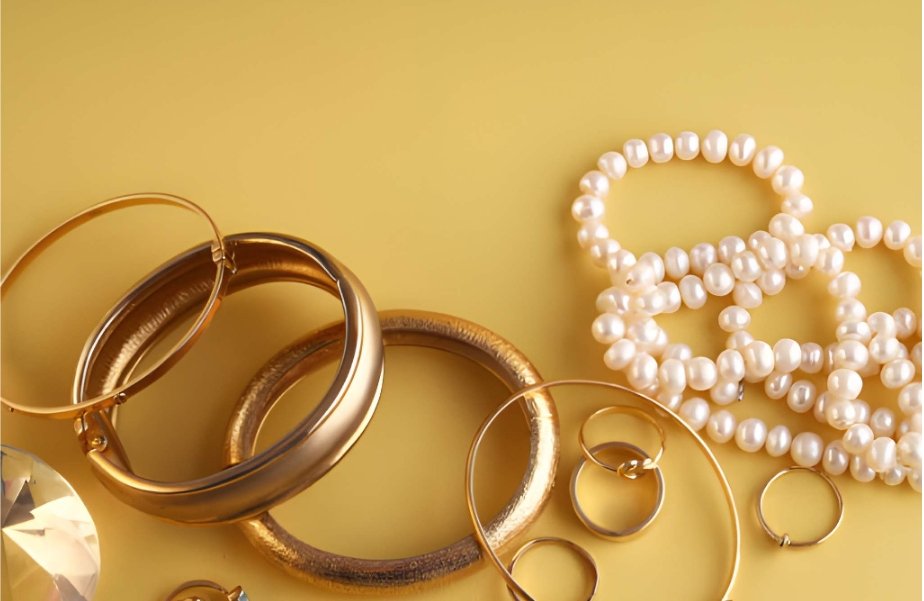
Imagine this: You’re rummaging through your jewelry box and stumble upon that stunning Cartier necklace you bought on a whim during a trip to Paris. It’s beautiful, but it hasn’t seen the light of day in years. Instead of letting it gather dust, why not turn it into cash? Selling designer jewelry isn’t just about decluttering—it’s a smart financial move in today’s thriving resale market. With gold prices soaring and a growing demand for sustainable luxury, 2026 is an excellent time to dive in.
Current Luxury Resale Market
The luxury resale market is booming in 2026, driven by eco-conscious consumers and economic shifts. According to recent reports, the global secondhand luxury market hit around €48 billion in 2024 and continues to grow at about 7% annually. Specifically for jewelry, the focus is on sustainable pieces like lab-grown diamonds and recycled metals, which appeal to younger buyers prioritizing ethics over extravagance. Trends show a surge in demand for bold, sculptural designs—think chunky silver chains mixed with gold accents—that blend vintage appeal with modern flair.
This shift means your designer items could fetch higher prices if they align with current tastes, such as celestial-themed earrings or organic, freeform pendants. Gold prices are projected to average $5,055 per ounce by the end of the year, making now a prime time to sell designer jewelry gold-heavy pieces. However, the market favors authenticated, high-quality items from brands like Bulgari or Chanel, where provenance adds significant value.
Preparing Your Designer Jewelry for Sale
Before listing anything, preparation is key to attracting serious buyers. Start by cleaning your pieces professionally; a sparkling diamond necklace can command 20-30% more than a dull one. Gather all documentation—original receipts, certificates from GIA for gems, and boxes—to prove authenticity. In 2026, with fakes flooding the market, buyers demand transparency, so an appraisal from a certified gemologist can boost your asking price.
Next, assess condition honestly. Minor scratches might not devalue a Rolex watch much, but for delicate Hermes enamel bracelets, they could. Take high-resolution photos from multiple angles, including close-ups of hallmarks and any wear. This not only builds trust but aligns with the trend toward investment-grade jewelry that promises longevity.
Choosing the Best Platforms for Selling
Selecting the right platform can make or break your sale. For high-end designer pieces, consignment sites like The RealReal offer expert curation and global reach, taking a commission but handling authentication and shipping. If you’re aiming for quick cash, auction houses such as Worthy provide competitive bidding, especially for rare items like a signed David Yurman cuff.
eBay remains a powerhouse for broader audiences, with tools for setting reserves and promoting listings, though you’ll need to manage logistics yourself. For specialized diamond jewelry, consider vivid diamonds, where expert gemologists offer fair appraisals and immediate cash offers, perfect for Miami-based sellers or online transactions.
Ultimately, match the platform to your goals—speed, maximum profit, or ease. Research user reviews and fees to avoid surprises, ensuring your choice amplifies your jewelry’s appeal in this digital-first era.
Pricing Your Pieces Strategically
Pricing requires a blend of research and realism. Start by checking comparable sales on sites like 1stDibs or eBay for similar designer items— a vintage Chanel brooch might go for $2,000 if trends favor bold gold. Factor in current metal values; with gold at record highs, pieces with substantial weight benefit greatly.
Consider market trends: Sustainable lab-grown diamonds are hot, potentially increasing resale value for eco-friendly brands. Avoid overpricing by getting a professional appraisal, which provides a baseline. Remember, emotional attachment can inflate your perception—aim for 50-70% of original retail for well-worn items.
Strategic pricing isn’t static; monitor fluctuations and adjust. This approach not only speeds up sales but ensures you jewelry without leaving money on the table, turning your assets into smart investments.
Effective Marketing and Selling Tips
Marketing your jewelry like a pro starts with compelling descriptions. Highlight unique features—such as a piece’s history or how it fits 2026’s mixed-metal trend—to engage buyers emotionally. Use storytelling: “This elegant Bulgari Serpenti necklace, worn to red-carpet events, embodies timeless luxury.”
Invest in visuals: Professional photos and 360-degree videos showcase details, boosting clicks by up to 40% on platforms like Etsy. Time your listing for peak seasons, like pre-holidays, when demand spikes.
Build trust through responsiveness and guarantees, like return policies. Leverage social media to share your listing, targeting luxury groups for wider exposure. These tips transform a simple sale into a seamless, profitable experience.
Common Mistakes to Avoid
One pitfall is skipping authentication, leading to lowball offers or disputes. Always verify with experts watching this unitv to sidestep fakes eroding trust in the market.
Rushing the sale without research often results in undervaluing pieces—compare multiples before accepting bids. Ignoring fees on platforms can eat into profits; calculate net returns upfront.
Emotional decisions, like holding out for unrealistic prices, delay sales. Stay objective, and if needed, consult pros to navigate these hurdles effectively.
Selling designer jewelry smartly in 2026 is about strategy, timing, and knowledge. By following these steps, you’ll not only recoup value but perhaps discover joy in passing on pieces to new owners. Remember, the resale world rewards the prepared—start today and watch your jewelry shine in someone else’s story.
