
When most people think about dental care, they picture the dentist’s chair, the bright light overhead, and the quick check-ups or treatments that happen during an appointment. What many don’t realise is that a huge part of modern dentistry happens behind the scenes—away from the clinic, but just as important to your smile.
This is where dental laboratories come in. While you may never step inside one, the work they do directly affects how your teeth look, feel, and function every single day.
The Hidden Partner Behind Your Dental Care
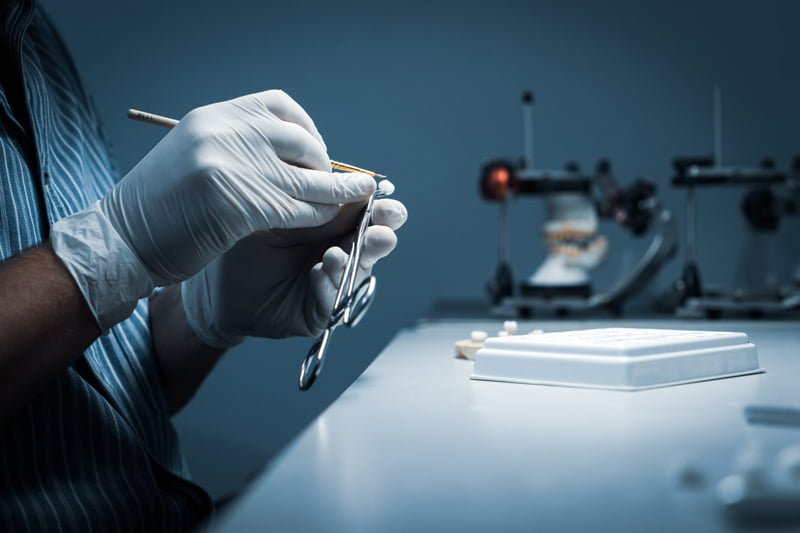
A dental laboratory is where custom dental restorations are created. These include crowns, bridges, implants, dentures, and other devices that replace or restore damaged or missing teeth. Think of the lab as the workshop where precision meets craftsmanship.
An easy comparison is tailoring a suit. A tailor doesn’t just guess your size—they measure, adjust, and shape the fabric specifically for your body. In the same way, dental labs create restorations that are designed for your mouth, based on detailed instructions and impressions provided by your dentist.
If a restoration isn’t made accurately, it can feel uncomfortable, affect how you chew, or even impact your confidence when smiling. That’s why the quality of lab work plays such a critical role in overall dental outcomes.
Why Precision Matters More Than You Think
Teeth may look simple, but they perform complex tasks every day. They handle pressure from chewing, help shape speech, and play a role in facial structure. Even a small imbalance can cause discomfort over time.
Dental laboratories use advanced tools and materials to ensure restorations fit precisely and function naturally. This precision helps distribute biting forces evenly and reduces stress on surrounding teeth and jaw joints.
To put it into everyday terms, imagine a replacement part in a car. If it’s slightly off, the car might still run—but wear and tear builds faster, and bigger problems follow. Dental restorations work the same way. When they’re crafted properly, they support long-term oral health rather than creating future issues.
Understanding how a dental laboratory operates helps explain why quality matters just as much as the treatment itself.
How Dental Labs Support Natural-Looking Smiles
Modern dentistry places a strong focus on aesthetics—how teeth look as well as how they work. Dental labs carefully match colour, shape, and texture so restorations blend seamlessly with natural teeth.
This attention to detail makes a big difference for patient confidence. A crown that looks slightly out of place can make someone hesitant to smile, even if it functions well. High-quality lab work aims to make restorations virtually unnoticeable.
Advances in digital scanning and design have also improved comfort and accuracy. Instead of relying solely on traditional moulds, labs can now work from highly detailed digital models, reducing adjustments and improving overall fit.
Midway through this process, many dental professionals collaborate closely with specialised providers such as Smile Art Lab in Melbourne to ensure restorations meet both functional and aesthetic standards. This collaboration enables dentists to deliver results that feel natural and look effortless from the patient’s perspective.
Better Lab Work, Better Long-Term Outcomes
Dental restorations aren’t meant to be temporary fixes. When crafted well and cared for properly, they can last many years—sometimes decades. Quality lab work contributes directly to this longevity.
Strong materials, accurate design, and proper finishing help restorations resist wear and maintain comfort over time. This reduces the need for replacements and additional treatments, saving patients both time and expense.
It’s similar to investing in well-made furniture. A cheap chair might look fine at first, but it won’t hold up to daily use. A well-crafted one supports you comfortably for years. Dental restorations follow the same principle.
Why Patients Benefit—Even If They Never See the Lab
While patients rarely interact directly with dental labs, the benefits are evident in everyday life. Eating feels natural. Speaking feels clear. Smiling feels effortless.
Good lab work also makes dental visits smoother. Fewer adjustments mean shorter appointments and less discomfort. For people with dental anxiety, this can make a noticeable difference in how they feel about ongoing care.
Ultimately, dental laboratories play a quiet but powerful role in oral health. They transform clinical plans into physical solutions that support comfort, confidence, and function.
When patients understand this behind-the-scenes process, they gain a deeper appreciation for how many skilled hands contribute to a healthy smile—and why choosing quality at every step truly matters.
