
Connection and routine play a big role in how we experience everyday life. Having somewhere to go, people to interact with, and activities that feel meaningful can shape confidence, wellbeing, and a sense of purpose. For people living with disabilities, day programs can offer exactly that kind of structure and opportunity.
Day programs aren’t just about filling time. When designed well, they support skill development, encourage social connection, and help people feel more engaged with their communities. They offer a space where learning, participation, and relationships can grow naturally.
Why Structure and Routine Matter
Most people rely on routine more than they realise. Work schedules, school timetables, and regular social activities help organise time and give days a sense of rhythm.
Day programs provide this same structure for people with disabilities. Knowing when a program runs, what activities are planned, and who will be there helps participants feel prepared and confident.
This predictability reduces anxiety and creates a sense of stability. In education and workplace settings, structure is known to support learning and performance. Day programs apply the same principle—clear routines make it easier to focus, participate, and enjoy the experience.
Building Practical and Social Skills Together
One of the key strengths of day programs is that skill development happens in a social setting. Instead of learning in isolation, participants practise skills alongside others.
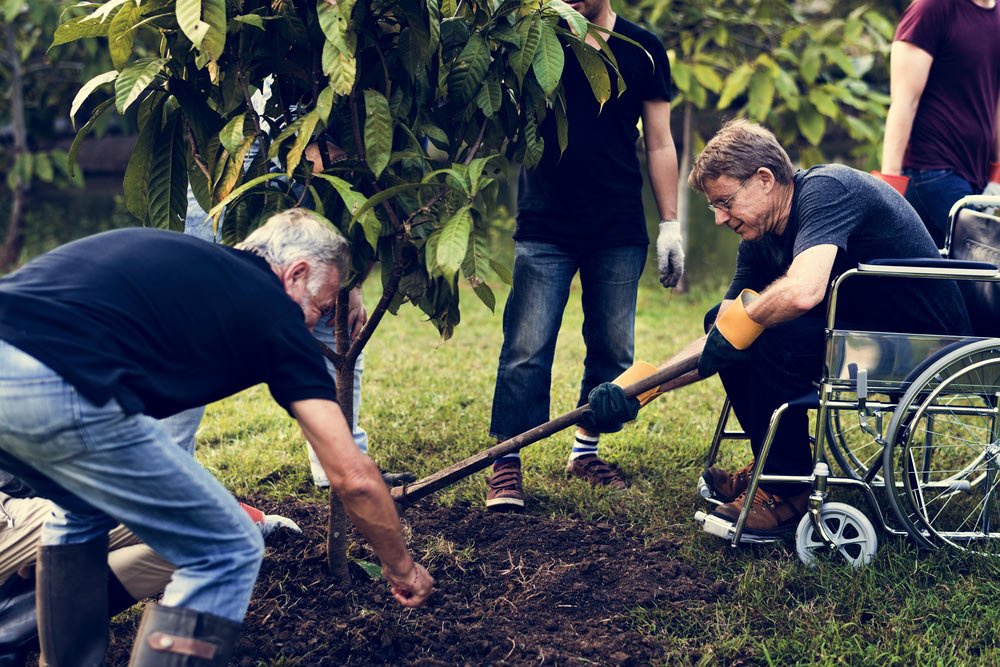
Activities might include cooking, art, gardening, technology use, or community outings. These tasks build practical abilities while also encouraging communication, cooperation, and problem-solving.
This mirrors how skills are learned in many industries. Team-based training, apprenticeships, and group workshops combine hands-on learning with social interaction. People often learn faster and feel more motivated when they’re learning together.
In day programs, skills aren’t taught for the sake of instruction—they’re practised in ways that feel relevant and enjoyable.
Encouraging Confidence Through Participation
Confidence grows through participation. When people are given opportunities to try new activities, make choices, and contribute, they often surprise themselves with what they can do.
Day programs create safe environments where participants can explore interests without pressure. Trying a new activity, sharing an idea, or working as part of a group helps build self-belief over time.
This gradual confidence-building is similar to what happens in community sports, creative groups, or adult learning classes. Progress isn’t measured by perfection, but by willingness to engage and grow.
Social Connection Beyond the Home
Social connection is essential for emotional wellbeing. Yet many people with disabilities experience social isolation due to barriers like transport, accessibility, or a lack of inclusive opportunities.
Day programs help bridge this gap by bringing people together around shared activities and interests. Friendships can form naturally through regular interaction and shared experiences.
Over time, these connections often extend beyond the program itself. Participants may feel more comfortable engaging in community events, volunteering, or other social activities.
The importance of connection is widely recognised in discussions around social inclusion. Feeling included and valued supports mental health, resilience, and overall quality of life.
Supporting Communication in Real-World Settings
Communication skills develop best when used in real situations. Day programs offer everyday opportunities to practise conversation, listening, and expression in a supportive environment.
Whether it’s discussing plans for the day, working through a group task, or sharing opinions, these moments naturally strengthen communication.
This approach reflects how communication skills are developed in workplaces and schools—through regular interaction rather than formal instruction alone.
For many participants, this ongoing practice can improve confidence in expressing needs, preferences, and ideas.
A Space for Choice and Self-Expression
Choice is a powerful part of independence. Day programs that offer a variety of activities allow participants to explore what they enjoy and pursue further.
Choosing between activities, contributing ideas, or setting small goals helps people feel ownership over their day. This sense of agency is central to person-centred support models.
In other sectors—like customer experience or education—choice is linked to higher satisfaction and engagement. The same holds true here. When people have a say in how they spend their time, participation feels meaningful.
Supporting Families and Carers
Day programs don’t just benefit participants—they also support families and carers.
Knowing that a loved one is engaged in a safe, structured, and enriching environment provides reassurance. It also gives families time to focus on work, rest, or other responsibilities, helping maintain balance.
In healthcare and disability support systems, shared support is key to sustainability. Day programs play an important role in distributing care in ways that support everyone involved.
Connecting Skills to Everyday Life
Skills developed in day programs often translate into daily life. Cooking activities may lead to more independence at home. Group problem-solving can improve confidence in social situations. Creative activities can spark hobbies or interests outside the program.
This transfer of skills is similar to vocational training or community education. Learning becomes meaningful when it connects to real-world use.
The goal isn’t just participation during program hours, but positive impact beyond them.
A Pathway to Greater Independence
While independence looks different for everyone, day programs often support steps toward greater autonomy.
By building skills, confidence, and social networks, participants may feel more comfortable exploring new opportunities—whether that’s further education, volunteering, or employment pathways.
Day programs provide a supportive foundation from which people can explore what independence means to them.
If you’re interested in how structured activities and social opportunities are designed to support learning and connection, you can learn more about day programs for people with disability and how these programs fit into everyday life and long-term goals.
Small Moments That Add Up
The impact of day programs is often felt in small moments—sharing a laugh, completing a task, or feeling proud of a new skill.
Over time, these moments build confidence, friendships, and a sense of belonging. They turn routine into opportunity and participation into progress.
Just as community centres, clubs, and learning groups enrich lives across society, day programs do the same in an inclusive and supportive way.
Final Thoughts
Day programs for people with disabilities offer more than activities—they offer connection, growth, and purpose. By combining skill development with social interaction, they support confidence and wellbeing in ways that feel natural and engaging.
When people have opportunities to learn, connect, and participate, everyday life becomes richer. And for many, day programs provide the space where those opportunities begin.
