
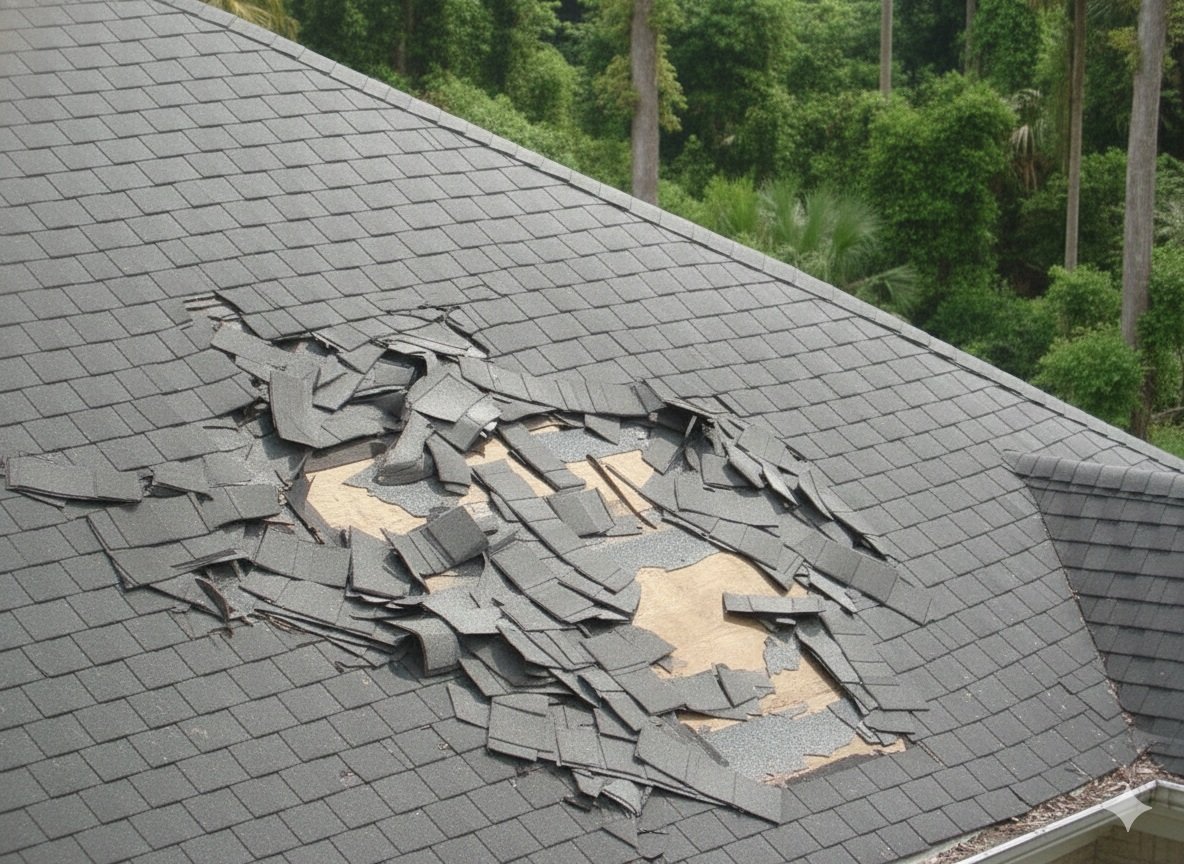
Hailstorms are among the most frequent and damaging weather events in the Dallas-Fort Worth area. While large hailstones often leave obvious damage on vehicles, siding, and outdoor property, roof damage can be more subtle and harder to detect. Even seemingly minor impacts can compromise shingles, underlayment, flashing, and other roofing components, allowing water to seep in and cause long-term structural issues such as leaks, mold growth, and decking deterioration. Because the roof is your home’s primary defense against the elements, identifying hail damage early is critical for safeguarding your investment and preventing expensive repairs. Trusted roofing professionals like Veteran Brothers Roofing & Restoration in DFW emphasize the importance of thorough inspections after every significant hailstorm.
In the Dallas-Fort Worth region, hailstones can range from pea-sized to golf ball-sized or larger, and even moderate hail can weaken roofing materials. Different roofing types including asphalt shingles, metal, tile, and slate react differently to hail impacts. Property owners who understand how to recognize damage can take action early, avoiding escalating repair costs and ensuring their roofs continue to provide reliable protection for years to come.
Why Hail Damage Matters
Ignoring hail damage is a costly mistake. A roof protects not only the exterior of a home but also critical interior systems such as insulation, electrical wiring, and structural framing. Even minor hail impacts can compromise shingles and underlying layers, diminishing the roof’s ability to repel water effectively. Over time, this can lead to rotting roof decking, mold and mildew growth, damaged insulation, and compromised ceilings or walls. Small cosmetic damage may appear harmless at first, but it often leads to far more serious problems if left unchecked.
Hail damage can also reduce the lifespan of your roof. Many homeowners underestimate the subtle ways hail weakens roofing materials, including bruising, granule loss, or micro-cracks. Identifying these issues promptly allows homeowners to schedule professional repairs or replacements before the damage worsens. Experienced contractors, such as Veteran Brothers Roofing & Restoration, can thoroughly inspect roofs to detect both visible and hidden damage, ensuring that every hail impact is properly addressed.
When to Inspect Your Roof After Hail
It’s important to inspect your roof as soon as it is safe after a hailstorm. While a ground-level inspection can reveal obvious signs of damage, climbing onto the roof should only be done by professionals due to safety risks. Even modestly sloped roofs can be hazardous without proper equipment and training, and hail-damaged shingles may be more fragile, increasing the likelihood of injury.
Homeowners should prioritize inspections when hailstones were large or when heavy rainfall followed the storm, as wet conditions may exacerbate minor damage. Early detection of compromised shingles, missing granules, or damaged flashing can prevent leaks and avoid more extensive repairs down the line.
How to Safely Inspect for Hail Damage
A safe inspection begins from the ground. Homeowners can scan the roof for irregularities using binoculars, look for dents in metal vents, gutters, and downspouts, and check the yard and gutters for accumulated shingle granules. Observing hail damage on vehicles or outdoor structures can also indicate that the roof may have sustained similar impacts. However, for a detailed assessment, a licensed roofing professional is essential. Professionals can safely access the roof and identify less obvious issues, including micro-cracks, underlayment damage, and compromised flashing around chimneys, skylights, or vents.
Common Signs of Hail Damage by Roof Type
Different roofing materials show hail damage in distinct ways:
- Asphalt Shingles: Look for bruising, granule loss, cracking, curling, or lifted shingles. Bruised shingles often appear as dark spots, indicating weakened material.
- Metal Roofs: Check for dents, scratches, loose fasteners, and compromised seams. Even small dents can reduce the metal’s protective performance.
- Tile or Slate Roofs: Cracks, chips, or displaced tiles are typical signs of hail damage. Loose or shifted tiles may allow water infiltration and require immediate attention.
Even minor visible damage can indicate underlying structural issues. A licensed roofer can assess whether repairs are sufficient or if a full roof replacement is necessary to maintain protection.
Documenting Hail Damage for Insurance
Documenting hail damage thoroughly is essential for insurance claims. Homeowners should take high-quality photos of all affected areas, including shingles, gutters, vents, chimneys, and other roof accessories. Recording the date, severity of the storm, and maintaining prior maintenance records strengthens the claim. A professional inspection report provides credible validation of damage, particularly for subtle or hidden issues. Companies like Veteran Brothers Roofing & Restoration specialize in preparing detailed inspection reports that help homeowners navigate insurance claims efficiently, ensuring all necessary repairs are covered.
Roof Repair vs. Roof Replacement
Not all hail damage requires a full roof replacement. Localized damage, such as a few bruised shingles, may be repaired effectively, but widespread impacts or significant granule loss typically make full replacement the more cost-effective solution. Professionals assess the distribution and severity of damage, recommending either repair or replacement based on the long-term protection needs of the home. Delaying proper repairs can result in water infiltration, further weakening the roof and creating more costly issues over time.
Working with Insurance Adjusters
Insurance adjusters evaluate claims to determine coverage for hail damage. Homeowners should accompany the adjuster to point out all damage, provide photographic evidence, and share any professional inspection reports. Questions regarding coverage or discrepancies should be addressed immediately. Having a roofing professional involved during this process ensures that all damage is accurately documented and that homeowners receive the full benefits of their policy.
Preventing Future Hail Damage
While hailstorms cannot be prevented, there are measures homeowners can take to improve roof resilience. Impact-resistant asphalt shingles or reinforced roofing materials are specifically designed to withstand hail. Ensuring high-quality flashing, vents, and fasteners are installed helps reduce vulnerabilities. Trimming overhanging tree branches minimizes additional impact during storms. Regular inspections and maintenance can detect wear or minor damage before it becomes a major problem, extending the roof’s lifespan and minimizing repair costs.
Frequently Asked Questions
When should I check my roof after hail?
Inspect your roof as soon as it is safe. Ground-level observations are fine initially, but a professional inspection is essential to catch hidden damage.
Can I inspect the roof myself?
Only perform a visual check from the ground. Climbing on a roof is dangerous and should be left to licensed professionals.
What does hail damage look like?
Asphalt shingles may bruise, crack, curl, or lose granules. Metal roofs may dent or scratch, and tiles or slate may crack or shift.
Will insurance cover hail damage?
Most homeowner policies cover hail damage. Documentation and professional inspections improve the likelihood of full coverage.
How should I document hail damage?
Take detailed photos, record the storm date, keep maintenance records, and obtain a professional inspection report for insurance purposes.
When is roof replacement needed?
Localized damage may require only repairs. Widespread or severe damage typically necessitates replacement to protect the home’s structure.
How can I prevent future hail damage?
Install impact-resistant shingles, reinforce vents and flashing, trim trees, and schedule regular inspections and maintenance.
How do I choose a reliable contractor?
Hire licensed, insured professionals with experience assessing hail damage. Trusted companies like Veteran Brothers Roofing & Restoration provide accurate inspections, clear estimates, and quality repairs or replacements.
Don’t Wait After the Next Storm
Hailstorms pose a serious risk to roofs in the Dallas-Fort Worth area, and even minor damage can escalate into costly repairs if left unaddressed. Homeowners who understand the signs of hail damage, document issues thoroughly, and work with professional contractors can protect their homes from leaks, structural problems, and premature aging of their roofing systems. Hiring experienced contractors like Veteran Brothers Roofing & Restoration ensures a detailed inspection, accurate assessment, and high-quality repairs or replacements that maintain the durability and value of your home. Prompt action after a hailstorm not only safeguards your investment but also provides peace of mind throughout the storm season.
Business Name: Veteran Brothers Roofing & Restoration
Address: 5310 N Tarrant Pkwy #128, Fort Worth, TX 76137
Phone number: (817) 415-0067
