
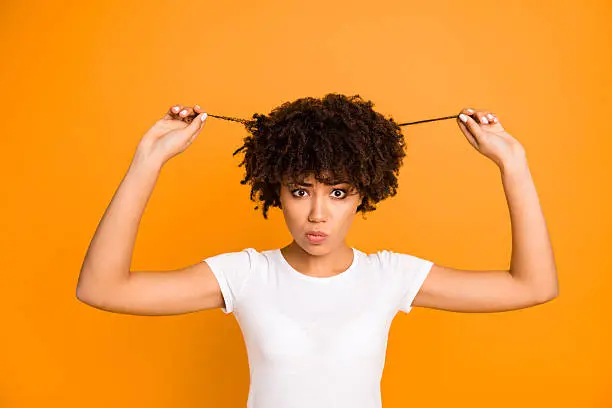
Edges (your hairline and temple area) are some of the most delicate parts of your hair. They’re also the first place to show signs of stress—thinning, breakage, or traction alopecia—when styles are too tight or worn too often without recovery time. The good news is you don’t have to choose between sleek, stylish hair and healthy edges. Low-tension styling focuses on reducing pulling at the hairline, minimizing daily manipulation, and keeping weight off fragile areas, while still giving you a polished look.
Below is a practical guide to low-tension styles that help protect your edges, plus the habits that make those styles truly edge-friendly.
Why Edges Get Damaged (and How Low-Tension Styling Helps)
Edges are vulnerable because the hairs there are often finer and experience more friction: headbands, scarf rubbing, pillowcases, frequent brushing, and tight ponytails all target the same area. The most common edge stressors include:
- Excessive tension from braids, ponytails, or slick buns
- Heavy styles that pull downward over time
- Frequent tight laying/gel use, especially when brushed aggressively
- Rough takedowns and product buildup that causes tangling at the roots
- Lack of breaks between protective styles
Low-tension styles work by keeping the hairline relaxed. You’ll still secure the style, but you’ll do it in a way that distributes hold across the head—not concentrated at the edges.
1) Low-Tension Two-Strand Twists (Soft Hold, High Protection)
Two-strand twists are one of the best low-tension options for natural hair. They don’t require tight gripping at the root, they’re lightweight, and they’re easy to refresh.
How to keep them edge-safe
- Start twists slightly behind the hairline instead of grabbing baby hairs
- Keep parts clean but avoid “snatching” the roots tight
- Use a light twisting cream; avoid heavy waxes that create buildup
Styling idea: Wear twists down for minimal tension, or loosely pin them into a low bun using a few pins—no tight bands needed.
2) Loose Flat Twists or Gentle Cornrows (With Edge-Friendly Sectioning)
Flat twists and cornrows can be protective, but only if they’re not installed too tightly. The key is how you treat the perimeter.
Edge-protecting technique
- Ask for “no braid too close to the hairline”—leave a small perimeter out
- Choose larger parts (fewer braids) to reduce tension
- Avoid adding heavy hair near the front rows
If you feel soreness, burning, or bumps within the first 24 hours, the style is too tight for your edges—remove it or have it adjusted. Pain is a warning sign, not something to “sleep off.”
3) Low Puff or Low Ponytail (Done Right)
A low puff or low ponytail can be a daily go-to, but the way you secure it matters.
Make it low-tension
- Use a soft satin scrunchie or snag-free elastic
- Avoid tight brushing; smooth with hands and a little water-based leave-in
- Alternate placement (low, side, mid) so the same edge area isn’t stressed daily
Upgrade for work: Wrap a small section of hair around the base for a cleaner finish—without tightening the ponytail itself.
4) Claw-Clip Updos (Fast, Elegant, and Gentle)
Claw clips are underrated for edge protection. They hold the hair without the constant elastic tension of a tight bun.
Why it’s edge-friendly
- Minimal pulling at the perimeter
- Quick to install and remove
- Easy to re-position so tension isn’t repetitive
Tip: Choose a clip that matches your hair density. If the clip is too small, you’ll over-tighten and create tension anyway.
5) Low Bun With a “Soft Base” (No Snatched Hairline)
A sleek bun looks great, but doing it daily with strong gel and tight brushing can thin edges. A low-tension bun is still polished—just softer.
How to do it
- Use minimal gel and avoid stiff “edge locking” daily
- Smooth the front lightly, leaving the hairline relaxed
- Secure the bun with pins or a soft scrunchie instead of a tight elastic
If you love the sleek look, reserve heavy edge styling for occasional wear, not daily repetition.
6) Wig Styles That Give Your Edges a Break
One of the most effective ways to protect edges is to stop manipulating them every morning. Wig-friendly routines—when done correctly—can reduce daily brushing, tension, and gel use.
A glueless blonde wig can be especially useful because it allows quick wear without adhesives that may stress the hairline. The goal is comfort: a secure fit that doesn’t require tight straps or aggressive combing around the edges to “blend.”
For even lighter, everyday wear, a short black wig is a practical option. Short styles reduce tangling and weight, are easy to maintain, and often feel more breathable—helpful if you’re trying to keep your scalp calm while your edges recover.
Edge-protection tips for wigs
- Wear a satin wig cap or grip band that doesn’t squeeze
- Avoid combs clipped into your hairline area
- Take the wig off at night whenever possible
- Keep your real hair underneath moisturized and not overly tight
Habits That Actually Grow and Preserve Edges
Low-tension styles work best when paired with consistent care:
- Moisturize the perimeter 2–4 times per week with a light leave-in or edge serum
- Massage gently (30–60 seconds) to encourage circulation—no aggressive rubbing
- Sleep protection: satin scarf/bonnet and a satin pillowcase backup
- Rotate styles: don’t repeat the same hairline tension pattern daily
- Give your edges breaks: wear hair down or in loose styles between installs
If you’re seeing thinning, avoid “covering it up” with tighter styles. That usually makes the cycle worse.
Choosing the Right Low-Tension Style for Your Lifestyle
- Busy schedule: claw-clip updos, low ponytails, wig wear
- Workout routine: low puff, loose cornrows (not tight), headband-free options
- Professional settings: soft low bun, twist updo, neat wig styles
- Edge recovery phase: minimal tension, minimal gel, and fewer tight accessories
Final Thoughts
Protecting your edges doesn’t require giving up style—it requires changing your strategy. Choose low-tension styles that keep the hairline relaxed, avoid heavy or tight installs, and reduce daily manipulation. Whether you prefer twists, claw-clip updos, soft buns, or wig routines, the best edge-friendly approach is consistent: comfort first, tension last, and enough rest time for your perimeter to thrive.
