
Post Preview
Key Takeaways:
- Neck pain can stem from poor posture, muscle strain, herniated discs, whiplash, arthritis, or pregnancy-related changes.
- Chiropractic care addresses both symptoms and root causes through spinal adjustments, soft tissue therapy, posture guidance, and exercises.
- Prenatal chiropractic care helps expectant mothers manage neck and back discomfort while maintaining spinal health.
- Lifestyle and ergonomic changes combined with chiropractic care support lasting relief and improved neck function.
Neck pain is a widespread issue that affects people of all ages and backgrounds. Everyday activities, lifestyle habits, and even seemingly minor injuries can all contribute to discomfort and reduced neck mobility. Addressing the root causes is essential for lasting relief. In recent years, interest in holistic solutions such as chiropractic care has grown due to their focus on treating problems at their source rather than just masking symptoms.
Chiropractic care can also play an important role in prenatal care, helping expectant mothers manage neck and back pain, improve posture, and maintain overall spinal health throughout pregnancy.
Understanding how various factors impact your neck health is the first step toward making informed decisions about treatment and prevention. Whether your pain is due to posture, injury, chronic conditions, or pregnancy-related changes, learning about the most common causes can help you develop a proactive plan for relief and improved well-being.
Poor Posture
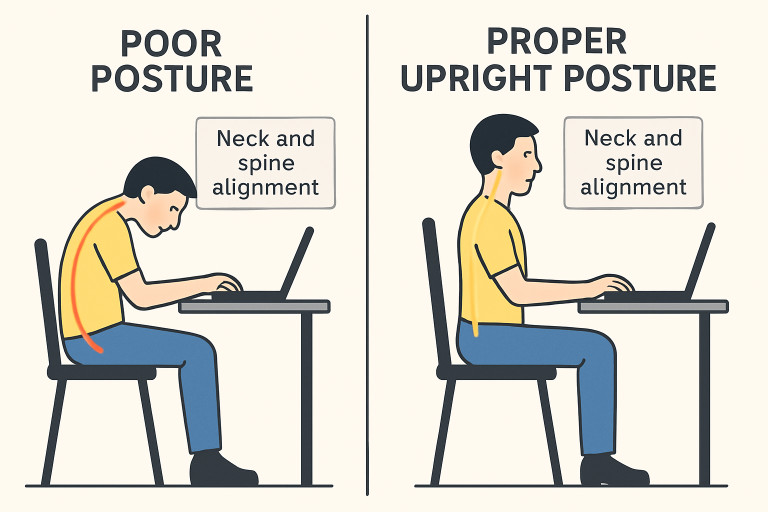
Modern technology usage has led to an increase in poor posture, especially among those who spend hours at a desk or are glued to their smartphones. Slouching or hunching over screens places extra strain on the neck muscles and cervical spine. Over time, this can result in persistent aches, tension headaches, and even tension that radiates into the shoulders and upper back.
Simple changes like adjusting your work setup, positioning your monitor at eye level, and taking regular breaks to stretch can go a long way toward reducing neck pain related to poor posture. According to the Mayo Clinic, maintaining proper posture helps distribute weight evenly and reduces the risk of strain and injury.
Muscle Strain
Muscle strain is another frequent cause of neck discomfort. These strains can result from sudden movements, lifting heavy objects without proper support, or even sleeping in an awkward position. The resulting pain might limit your range of motion and negatively impact your daily activities.
Prevention is possible through awareness and small lifestyle changes, such as using ergonomic pillows, supporting the neck while sitting or lifting, and warming up before physical activities. When a strain does occur, rest, gentle stretching, and heat application can help, but persistent pain should prompt you to seek professional care.
Herniated Discs
The cervical spine is made up of small discs that act as shock absorbers between the vertebrae. When one of these discs bulges or ruptures, it can press against nerves and cause intense pain, numbness, or weakness. Herniated discs in the neck can have far-reaching effects, sometimes even leading to tingling or discomfort in the arms or hands.
While herniated discs can be caused by trauma or age-related degeneration, maintaining good posture and performing strengthening exercises can reduce your risk. If you’re experiencing symptoms that persist or worsen, consult a healthcare professional for an accurate diagnosis and appropriate treatment plan.
Whiplash
Whiplash is one of the most talked-about neck injuries, often associated with car accidents but also possible from sports or sudden falls. It occurs when the head is forcefully jerked forward and backward, stretching and sometimes tearing the neck’s soft tissues. Symptoms might include pain, stiffness, headaches, and reduced mobility, sometimes emerging hours or even days after the incident.
Prompt medical attention is important for anyone suspecting whiplash. Gentle movement, gradual exercises, and professional care can speed up recovery and help restore normal function. The Centers for Disease Control and Prevention (CDC) recommends evaluation for anyone experiencing ongoing symptoms after a whiplash injury, especially if there are signs of concussion or nerve involvement.
Arthritis
Arthritis is a common contributor to neck pain, particularly in older adults. Osteoarthritis and rheumatoid arthritis can cause inflammation of the cervical spine joints, leading to pain, stiffness, and gradual loss of flexibility. While these conditions are long-term, many find that conservative therapies and exercise can help manage symptoms and enhance quality of life.
Working with a multidisciplinary team that may include primary care physicians, rheumatologists, and chiropractors can provide more comprehensive relief and tailored treatment options to keep you active and comfortable.
How Chiropractic Care Can Help
Chiropractic care takes a holistic approach toward resolving neck pain, focusing on the alignment and function of the entire musculoskeletal system. Common chiropractic treatments for neck pain include:
- Spinal Adjustments: Gentle, targeted manipulations designed to realign the cervical vertebrae, reducing nerve pressure and restoring normal movement.
- Soft Tissue Therapy: Techniques such as massage or myofascial release to relax tight muscles, break up scar tissue, and promote healing.
- Postural Correction: Education and coaching to help patients adopt healthier postures at work, during exercise, and in daily life.
- Rehabilitation Exercises: Customized exercise programs aimed at strengthening the neck muscles and enhancing flexibility for long-term results.
Many patients find that chiropractic care not only addresses their immediate symptoms but also reduces the likelihood of future neck problems by encouraging lasting lifestyle and posture improvements.
Final Thoughts
Neck pain can significantly limit your daily activities and quality of life, but identifying the underlying source is the key to effective treatment. Whether your discomfort stems from posture, muscle strain, injury, herniated discs, or arthritis, there are proactive steps you can take. Chiropractic care uniquely addresses both the pain and its causes, offering a comprehensive approach for sustainable relief and improved neck health.
